
Value and Trade

glass-based vessel currency unit
-
ken-se-eth-val-6101-wfk
-
purchased
-
Seruya
-
used by:
• all wafuranki sub-tribes
• the beverage consumers
• the vessel returners
• the street-level value collectors
• the wafuranki outdoor libation tribes
-
???
-
contemporary commercial specimen.
-
• glass vessel
• paper label
• printed pigment and machine-readable markings
-
variable by vessel type; specimen measurements not recorded.
-
storage wing: value & trade; cabinet: 6a – objects containing recoverable value; shelf: vessel currency units, slot 01
-
a glass liquid-containment vessel that retains monetary value after its contents have been consumed.
only vessels bearing the recognised fand mark (spelling to be confirmed) qualify. without the mark, the object is merely empty glass; with it, the wafuranki are holding currency.
-
the unit forms part of a wafuranki trade system in which selected empty vessels remain economically alive. they may be stored, transferred, collected by another person or deliberately placed beside disposal points for street-level value collectors.
apparently, even the abandonment of money has an approved procedure.
-
empty units are accumulated and surrendered at an authorised vessel currency conversion site, commonly through a fandautomat (spelling to be confirmed). recognised vessels are counted and converted into a vessel currency conversion script.
at some festivals and events, recovery of value additionally requires a vessel currency claim token.
-
• in the kenyan travel essay the bottle has a second job by m. wekesa (2024), the author observes: “among the wafuranki, finishing the drink does not finish the bottle.”
• the nairobi stage monologue usitupe hiyo chupa by l. nasimiyu (2025) begins when a kenyan in wafuranki territory approaches a bin and three wafuranki simultaneously inform her that she is about to discard money.
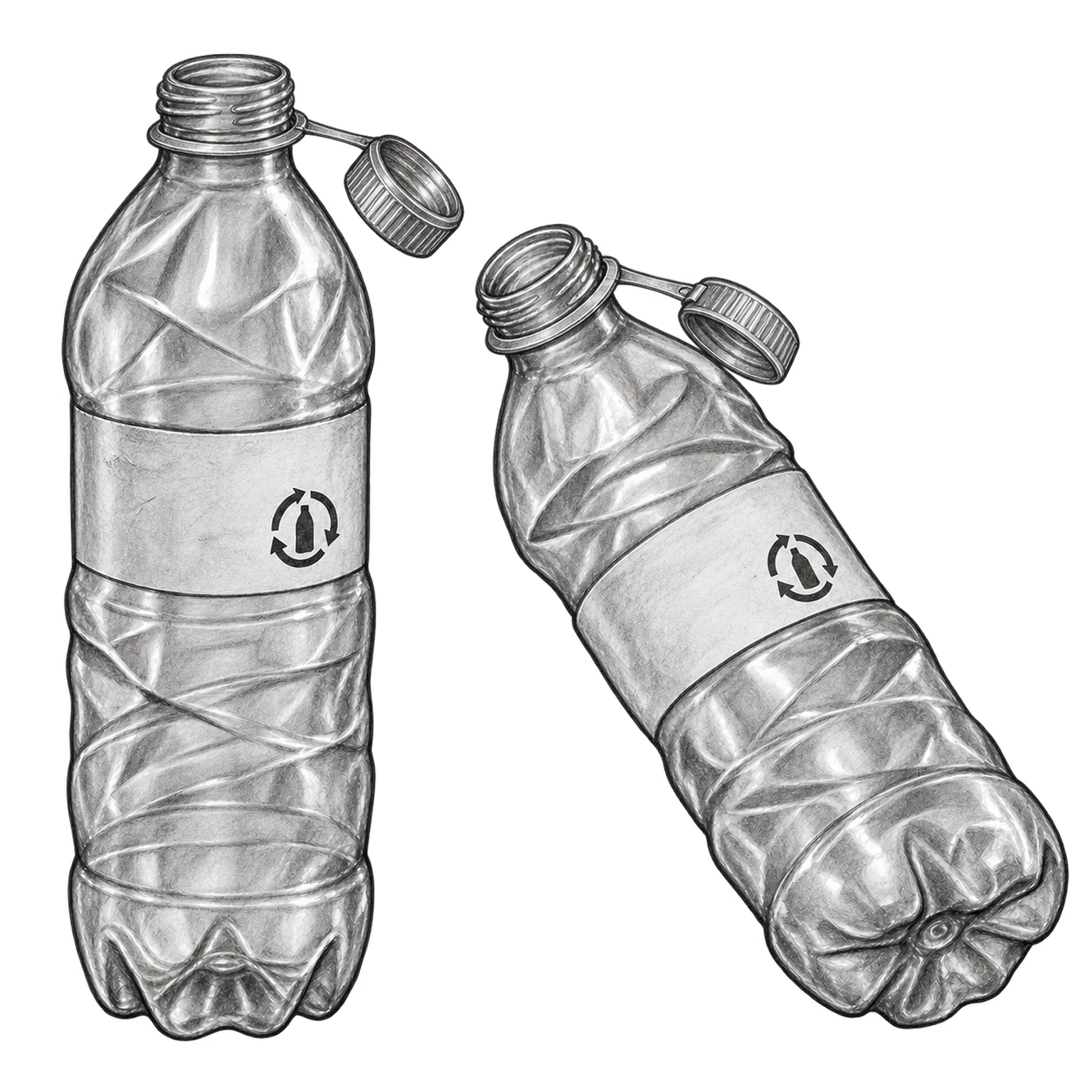
plastic-based vessel currency unit
-
ken-se-eth-val-6102-wfk
-
found
-
Seruya
-
used by:
• all wafuranki sub-tribes
• the beverage consumers
• the vessel returners
• the street-level value collectors
• the wafuranki outdoor libation tribes
-
???
-
contemporary commercial specimen.
-
• plastic vessel
• plastic closure
• paper or printed label
• machine-readable markings
-
variable by vessel type; specimen measurements not recorded.
-
storage wing: value & trade; cabinet: 6a – objects containing recoverable value; shelf: vessel currency units, slot 02
-
a lightweight plastic liquid-containment vessel that retains recoverable monetary value after its contents have disappeared.
recognition depends upon the fand mark (spelling to be confirmed). the wafuranki must therefore inspect apparently ordinary empty plastic before deciding whether it is waste or money.
-
the unit follows the same value logic as its glass counterpart but is particularly suited to accumulation, transport and street-level collection. abandoned units may be claimed by another person, who acquires the attached value by completing the return ritual.
the object is empty, but economically it remains occupied.
-
units are stored, transferred or surrendered at a fandautomat, where their value is counted and transferred into a vessel currency conversion script.
experienced participants may keep entire bags of empty units indoors without considering the situation untidy, because the bag contains money waiting to be converted.
-
• the kenyan newspaper column plastic with purchasing power by j. wanjala (2024) describes the first stage of wafuranki adaptation as learning that “some rubbish has a balance.”

vessel currency conversion script
-
ken-se-eth-val-6103-wfk
-
exchanged
-
Seruya
-
used by:
• all wafuranki sub-tribes
• the vessel returners
• the beverage consumers
• the street-level value collectors
• the trade location participants
-
???
-
contemporary machine-issued specimen.
-
• paper
• printed ink
• machine-generated numerical and verification markings
-
variable by machine; specimen measurements not recorded.
-
storage wing: value & trade; cabinet: 6b – currency conversion objects; shelf: vessel currency conversion scripts, slot 01
-
a small paper script locally referred to as fandbon (spelling to be confirmed), produced after recognised vessel currency units are surrendered to a fandautomat.
the script records the combined monetary value of the surrendered vessels and temporarily carries that value until presented at the corresponding trade location.
-
the conversion script demonstrates considerable wafuranki trust in written proof. the machine has already accepted, counted and retained the vessels, yet the exchange still requires a paper record confirming that this has occurred correctly.
the value therefore travels from vessel, to machine, to paper, before becoming ordinary currency again.
-
after completing the machine return ritual, the wafuranki carries the script into the trade location and presents it for deduction from purchases or conversion into conventional currency.
until that moment, the paper must be protected with surprising seriousness.
-
• in the kenyan stage piece paper after bottle in wafuranki territory by a. muthoni (2024), the performer feeds vessels into a machine, receives a script and asks why the machine could not simply return the money it has just calculated.
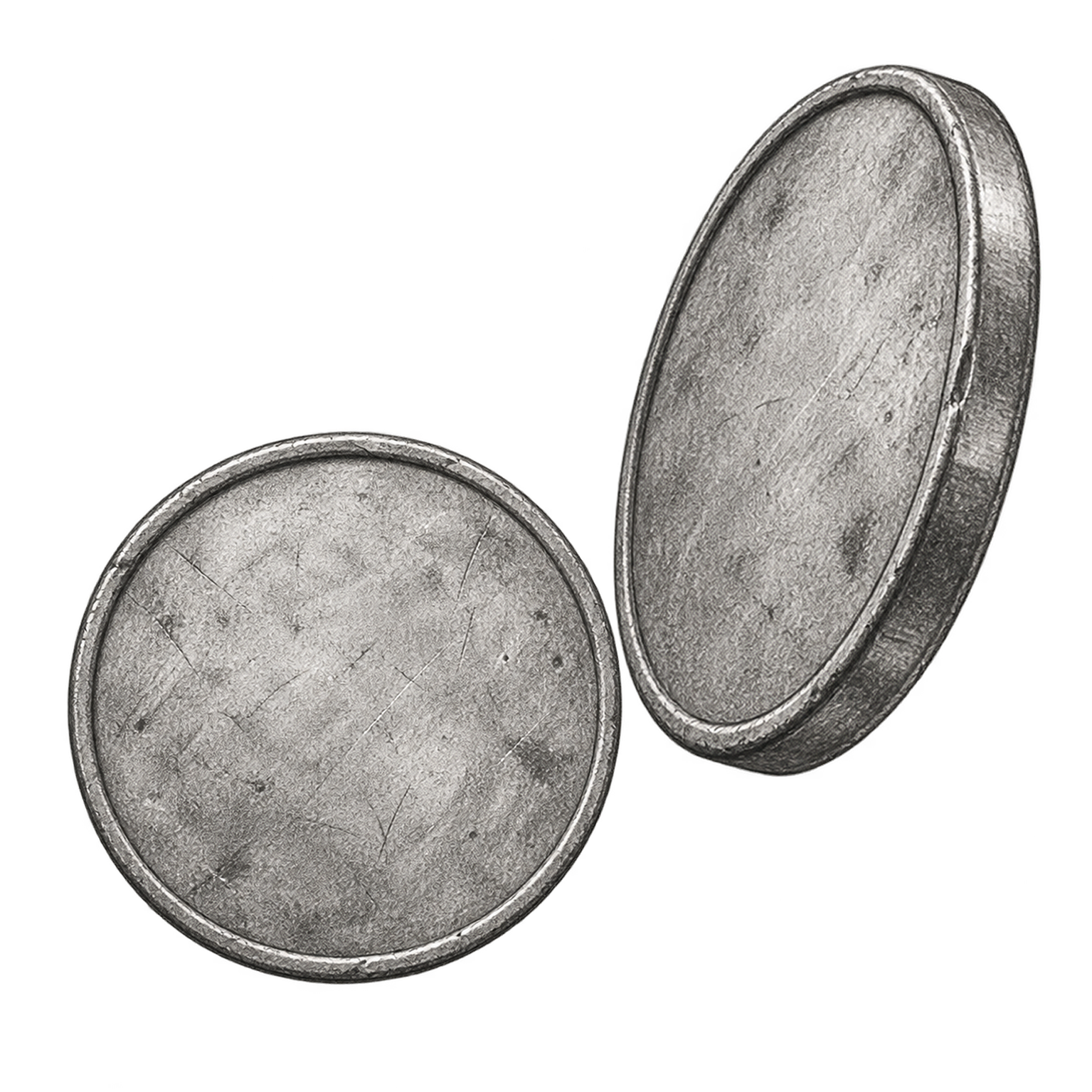
vessel currency claim token
-
ken-se-eth-val-6104-wfk
-
gifted
-
Seruya
-
used by:
• the festival libation tribes
• the outdoor libation tribes
• the temporary vessel holders
• the event trade custodians
• the token guardians
-
???
-
contemporary event-use specimen.
-
• plastic
• printed or embossed markings
-
variable by event; specimen measurements not recorded.
-
storage wing: value & trade; cabinet: 6b – currency conversion objects; shelf: vessel currency claim tokens, slot 02
-
a small plastic token locally referred to as fandmarke (spelling to be confirmed), issued alongside certain deposited glass-based vessel currency units at organised events.
to recover the vessel deposit, the wafuranki must return both the empty vessel and the token. possession of the larger valuable object is therefore insufficient without the smaller object proving that its value may be claimed.
-
the token regulates which vessels belong to the event’s own trade cycle and adds a second layer of value verification.
its authority is disproportionate to its size. during the celebration, its principal cultural function is to remain unlost.
-
the token is received with the vessel, retained throughout consumption and surrendered together with the empty vessel when the deposit is recovered.
losing it may leave the participant holding the correct vessel but unable to prove the correct relationship to it.
-
• in the kenyan design essay small plastic, large authority by b. musyoka (2025), the wafuranki fandmarke is described as “an object whose greatest achievement is surviving the party.”