
Rituals
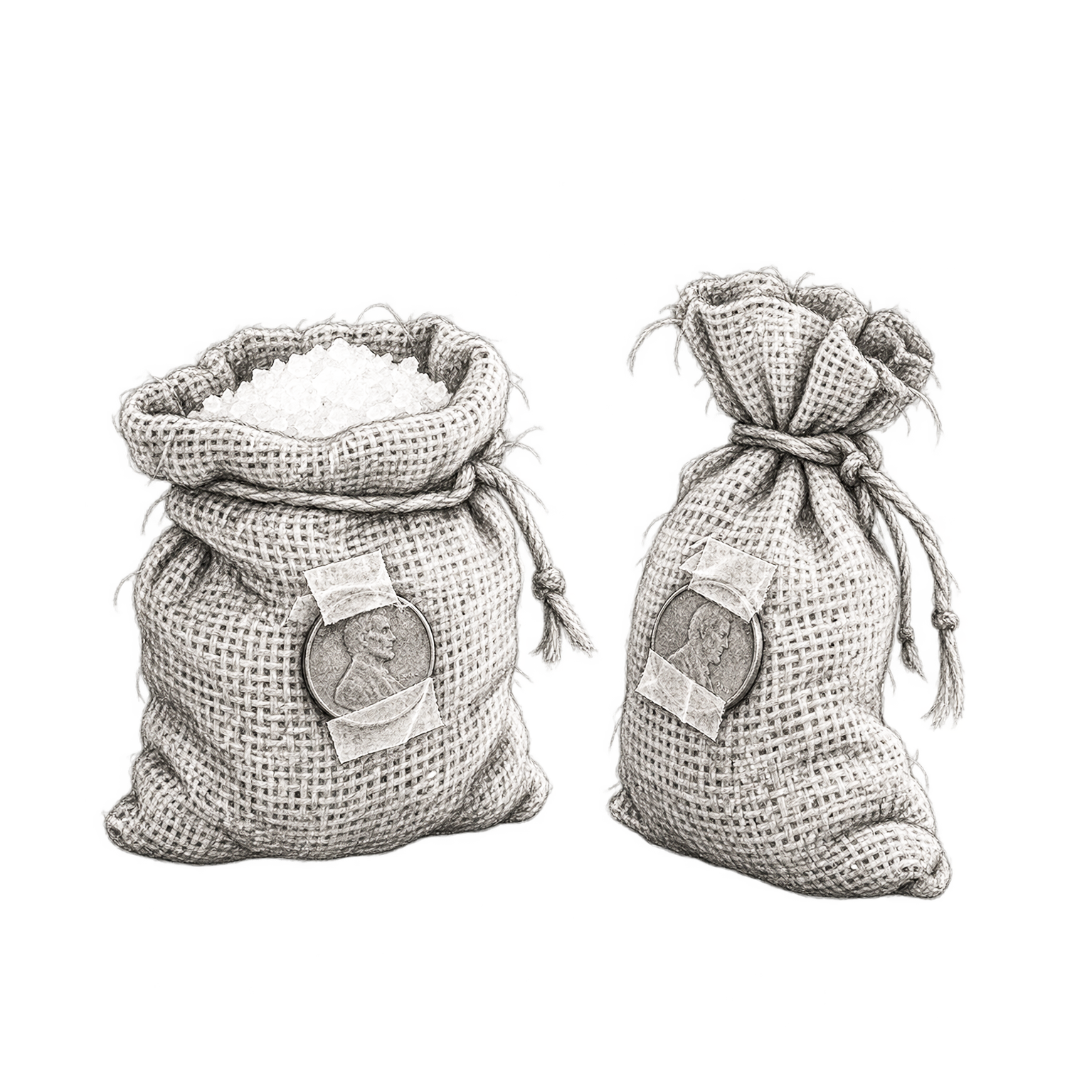
new-dwelling prosperity & protection offering
-
ken-se-eth-rit-8101-wfk
-
gifted
-
Seruya
-
received by:
•the newly settled
•new wafuranki territory residents
•newly established households
offered by:
•the welcoming circles
-
???
-
contemporary ritual specimen.
-
•beige textile (containment sack)
•salt (white crystalline substance) in the sack
•copper-coloured currency disc (locally referred to as sent/cent - spelling to be confirmed)
•clear adhesive tape (currency attachment; material identification unconfirmed)
-
•sack: approx. 10w × 8h cm
•currency disc:
•diameter: 16.25 mm
•thickness: 1.67 mm
•weight: 2.30 g
•salt quantity: not recorded.
-
•storage wing: ritual artefacts
•cabinet: 8a – domestic initiation & threshold practices
•shelf: new-dwelling offerings, slot 01
-
small threshold offering consisting of protective salt contained in a textile sack and a copper-coloured currency disc attached to the exterior.
presented to a person entering a newly established dwelling.
-
the offering links the beginning of domestic occupation with wishes for protection and material sufficiency.
salt addresses continued sustenance; the currency disc addresses prosperity.
the dwelling is therefore entered with both preservation and resources already symbolically present.
-
presented during or shortly after relocation into a new dwelling and commonly retained as a domestic keepsake after the initiation moment has passed.
-
•referenced in entering well: kenyan notes on wafuranki domestic rituals by h. wairimu (2021): “you have the keys, umehama, everything is done. then somebody gives you salt and a coin and suddenly apparently the house is ready.”
•appears in the kenyan short film new keys (n. muthoni, 2022), where the protagonist receives the offering upon entering her first wafuranki dwelling and spends several days trying to establish whether the coin may safely be spent.
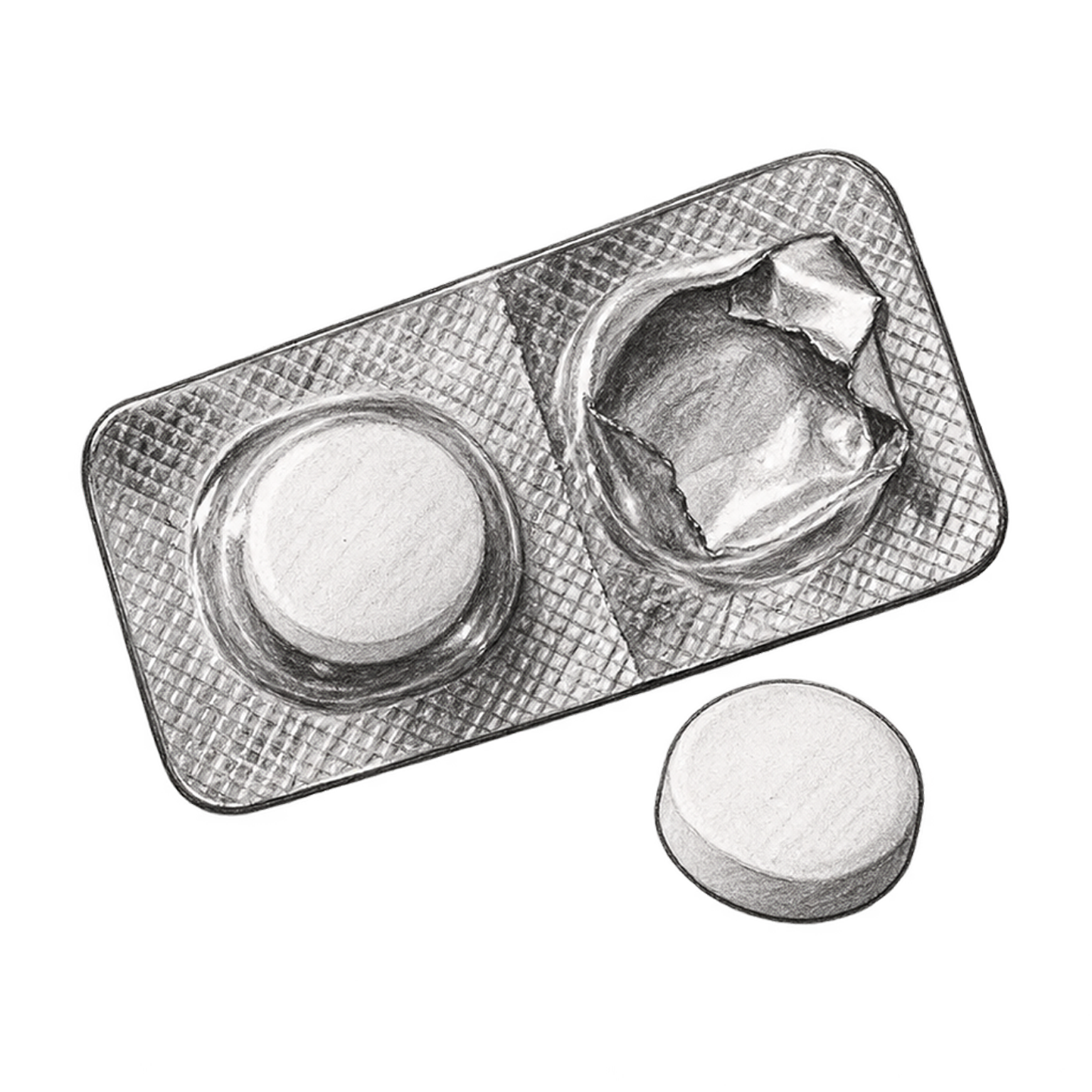
universal symptom-neutralisation tablet
-
ken-se-eth-rit-8102-wfk
-
purchased
-
Seruya
-
administered/recommended by:
•the white-coated healing elders
•the bodily diagnosis practitioners
•the post-surgical release authorities
-
???
-
contemporary medicinal specimen.
-
•paracetamol (compressed medicinal substance)
•foil/plastic (protective containment strip)
•paper with printed dosage markings
-
•entire box: 6w × 10d × 2h cm
•tablet (each): 2w × 1d × 1d cm
•tablet strength: not recorded.
-
•storage wing: ritual artefacts
•cabinet: 8b – healing & bodily stabilisation practices
•shelf: primary healing objects, slot 01
-
small medicinal tablet commonly activated in response to pain, fever and a surprisingly broad range of bodily complaints.
the same substance is repeatedly applied to unrelated symptoms, suggesting unusually wide therapeutic jurisdiction.
-
functions as a first-response healing substance within everyday wafuranki bodily management.
its familiarity and availability allow minor afflictions to be addressed before escalation to a healing elder.
-
consumed according to dosage instructions during common pain and fever conditions.
persistent or severe disturbances may proceed to further healing investigation.
-
•appears in the kenyan feature film take two and wait (m. wanjiku, 2022), in which three patients leave a wafuranki healing centre with entirely different complaints but identical instructions.
•referenced in first response: a comic strip on wafuranki healing practices by a. njeri (2021): “yani my symptoms were very different all three times lakini the tablet remained the same.”
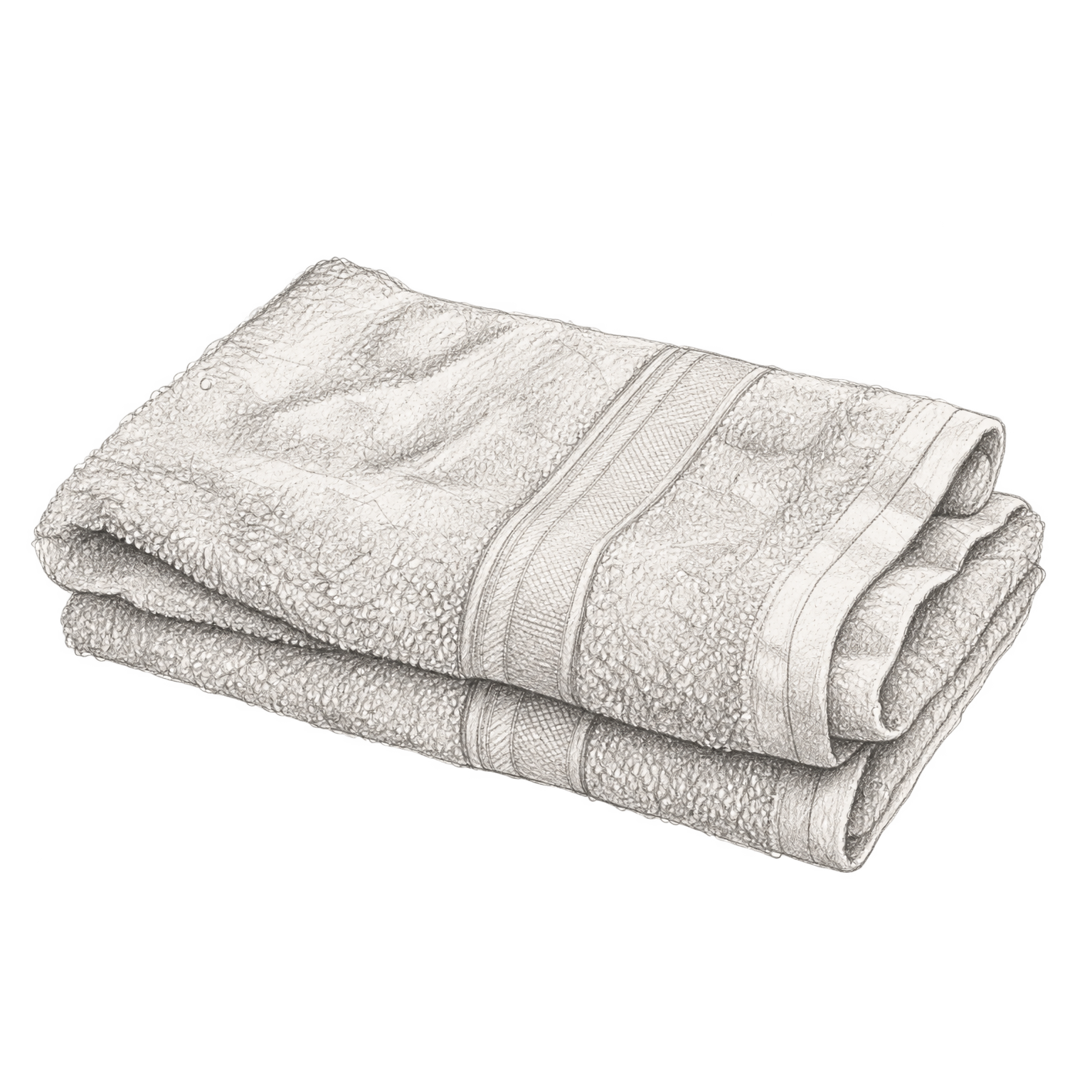
territorial pre-claim textile
-
ken-se-eth-rit-8103-wfk
-
purchased
-
Seruya
-
used by:
•the leisure territory claimers
•the early-rising occupation vessels
•the pre-occupancy strategists
•the temporarily absent claimants
-
???
-
contemporary textile specimen.
-
•woven cotton/synthetic textile
•absorbent fibres
•environmental residue (post-activation)
-
•approx. 70 cm × 140 cm
•claiming capacity: one reclining/resting surface
-
•storage wing: ritual artefacts
•cabinet: 8c – territorial & spatial claiming practices
•shelf: pre-occupancy markers, slot 01
-
domestic textile placed upon a public resting surface to establish temporary personal occupation before the wafuranki body arrives.
the textile therefore precedes the user and reserves the territory on their behalf.
-
most strongly associated with sauna territory, where a placed towel may establish a recognised claim to a resting structure.
the claim is materially soft but socially legible.
-
activated on benches, loungers and comparable resting surfaces.
the textile remains in position while the claimant is temporarily absent, preserving the claim until bodily return.
-
•mentioned in the msafiri holiday diary by a. mwangi baraza (2024): “i thought the chair was empty but apparently, i was wrong kwa sababu a bag had already spoken for it.”
•referenced in reserved before arrival: kenyan observations of wafuranki territorial rituals by k. cherono (2022): “by the time the person arrived, i had been sitting on the edge of the pool for forty minutes.”
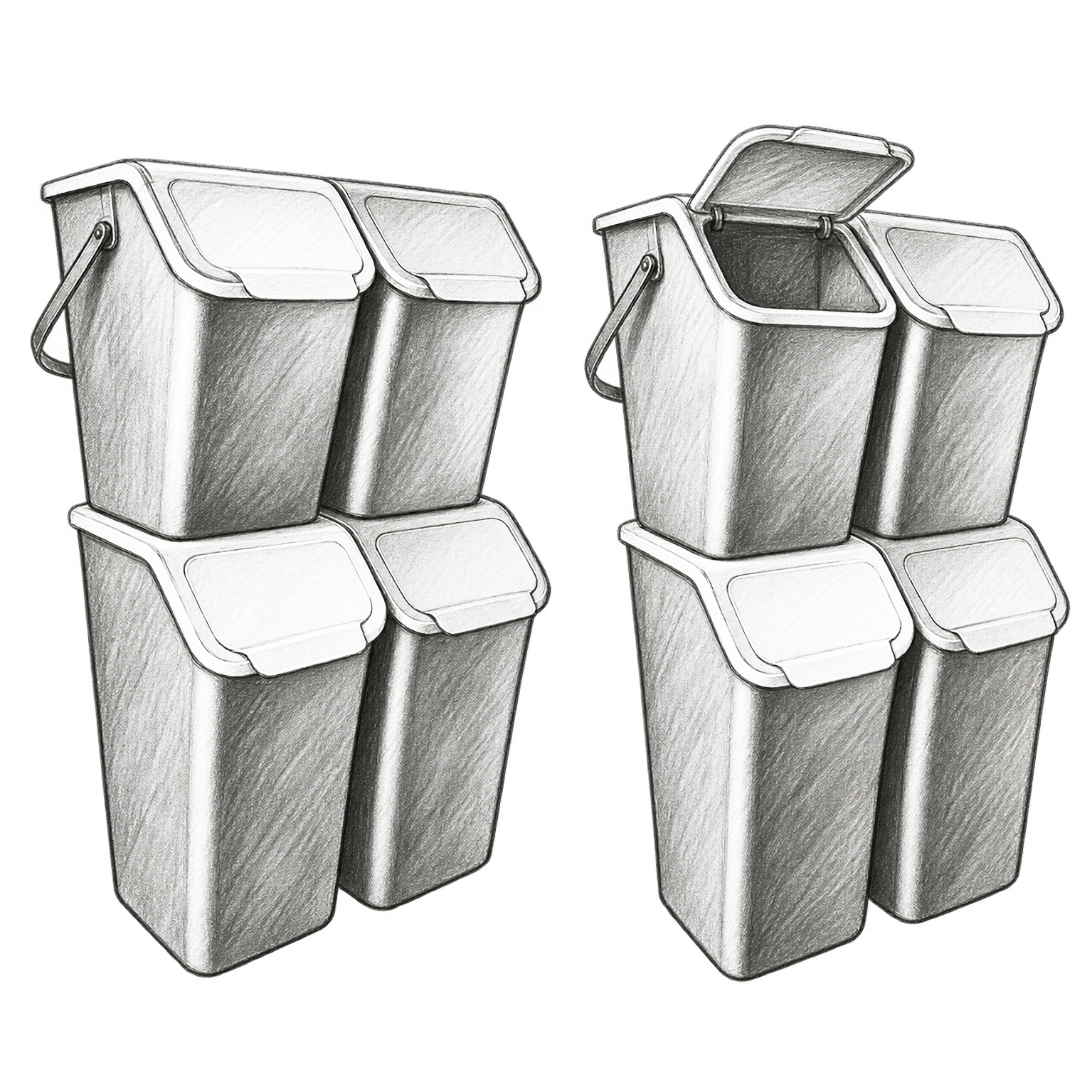
multi-chamber material rebirth shrine
-
ken-se-eth-rit-8104-wfk
-
purchased
-
Seruya
-
used by:
•all wafuranki sub-tribes
•the devout sorters
•the confident classifiers
•the hesitant decision-makers
-
???
-
contemporary domestic shrine specimen.
-
•plastic (containment chambers)
•plastic (green, brown, yellow and blue lids)
•plastic (internal containment sacks, when activated)
•discarded material offerings (during ritual use)
-
complete shrine: approx. 2 × 25 l / 2 × 35 l
-
•storage wing: ritual artefacts
•cabinet: 8d – material rebirth & purification practices
•shelf: multi-chamber rebirth shrines, slot 01
-
four-chamber ritual structure used to classify materials that have completed their present use.
each colour-coded chamber receives different material categories according to the wafuranki ordinance of material purity.
-
the shrine operates as both purification checkpoint and gateway to material rebirth.
correct participation requires knowledge of composition, contamination and destination.
even initiated wafuranki may pause before a single object and debate the correct chamber; evidently, even the faithful do not always know the scripture.
-
activated daily for organic matter, paper, packaging and other departed materials.
offerings may require separation, emptying, flattening or cleaning before surrender to their designated afterlife.
-
•referenced in nothing truly ends: notes on wafuranki material rebirth rituals by m. wanjiku (2022): “here i was thinking that ninathrow something away lakini waliniinform that i was preparing it for another life.”
•appears in the kenyan film which one? (k. wafula, 2023), in which the character mwende, upon arriving in wafuranki territory, stands before four rebirth chambers holding a single water container while three wafuranki provide contradictory ritual instructions.
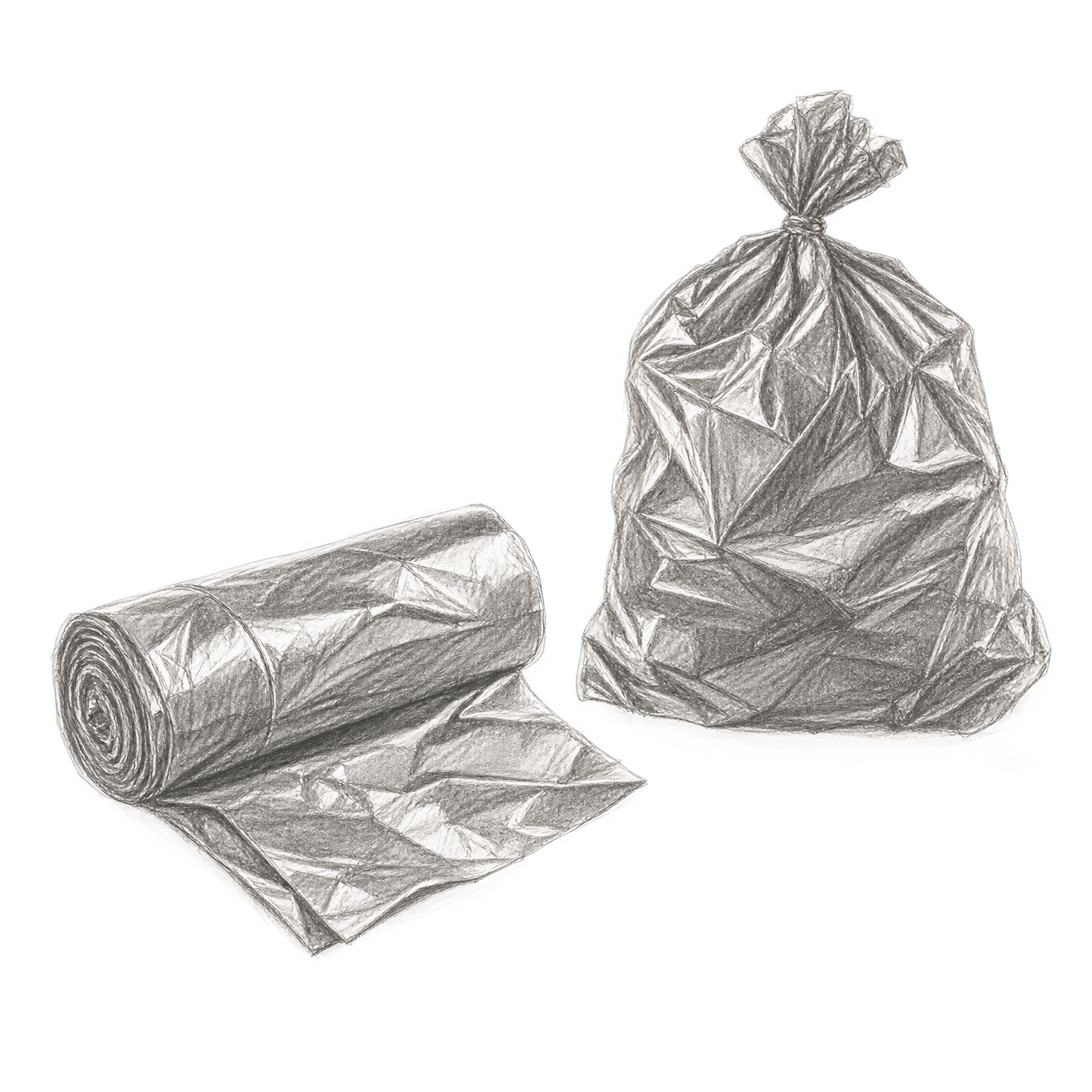
final-termination material transfer sack (black variant)
-
ken-se-eth-rit-8105-wfk
-
purchased
-
Seruya
-
used by:
•all wafuranki sub-tribes
•the devout sorters
•the material rebirth custodians
•the ordinance of material purity adherents
-
???
-
contemporary material-transfer specimen.
-
•black plastic
•residual material contents (during ritual activation)
-
not recorded.
-
•storage wing: ritual artefacts
•cabinet: 8d – material rebirth & purification practices
•shelf: material transfer vessels, slot 02
-
opaque black containment sack used to collect material judged unsuitable for recognised rebirth passages.
once sealed, the contents are transferred toward final departure.
-
the sack marks the least hopeful branch of the wafuranki material afterlife system.
its opacity removes the discarded matter from view before final surrender, separating it both materially and symbolically from substances expected to return.
-
used within domestic and communal disposal systems for mixed or non-rebirth matter.
the filled sack is removed from the dwelling and transferred to the shrine of final remains.
-
•referenced in the last bag: kenyan notes on wafuranki material rituals by e. wanjala (2022): “the black one is where things go when apparently there is no coming back.”
•appears in the kenyan short film based in wafuranki territory can this one be saved? (j. muthoni, 2023), where the protagonist repeatedly removes objects from the black sack after being informed they may still qualify for rebirth.
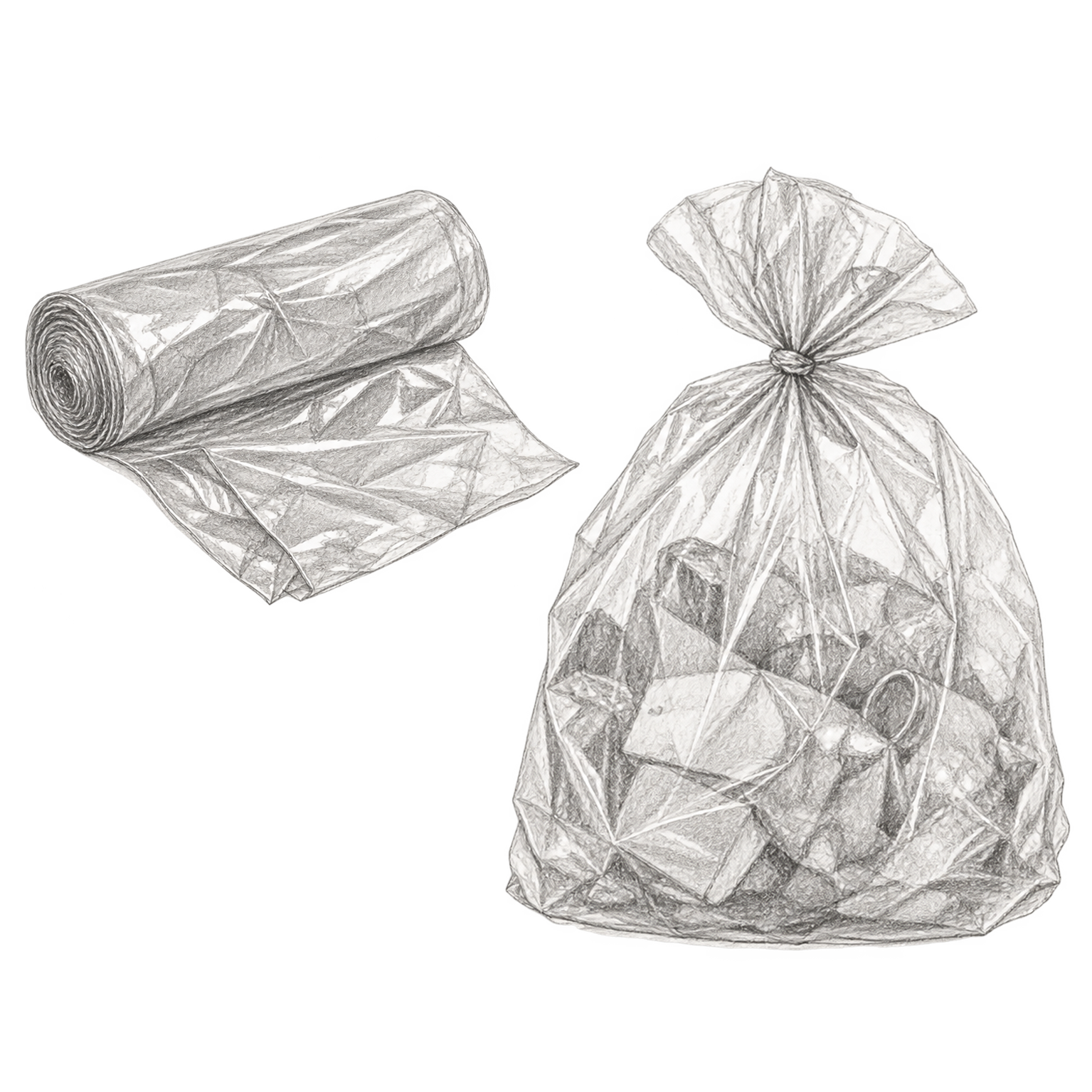
material rebirth transfer sack (transparent variant)
-
ken-se-eth-rit-8106-wfk
-
purchased
-
Seruya
-
used by:
•all wafuranki sub-tribes
•the devout sorters
•the material rebirth custodians
•the ordinance of material purity adherents
-
???
-
contemporary material-transfer specimen.
-
•transparent plastic
•plastic spirit materials (during ritual activation) - see findings: the afterlife of wafuranki objects: observations on death, separation, rebirth and the proper passage of material things
-
not recorded.
-
•storage wing: ritual artefacts
•cabinet: 8d – material rebirth & purification practices
•shelf: material transfer vessels, slot 03
-
transparent containment sack used to gather selected departed materials before transfer into a recognised rebirth passage.
its transparency permits visual inspection of the contents before surrender.
-
unlike the black variant, the contents remain visible and therefore open to continued judgement.
incorrect material can still be identified and removed before the sack proceeds.
-
used to collect designated recyclable matter and transport it to the relevant material rebirth system.
contents remain subject to the ordinance of material purity until final transfer.
-
•the column see your mistakes by a. mutheu (2022) praises the wafuranki transparent sack for allowing incorrect offerings to experience public accountability before collection.
•referenced in before you throw it: notes on wafuranki material purity by c. akinyi (2021): “hata na the clear bag imagine i still had to sort everything inside it.”
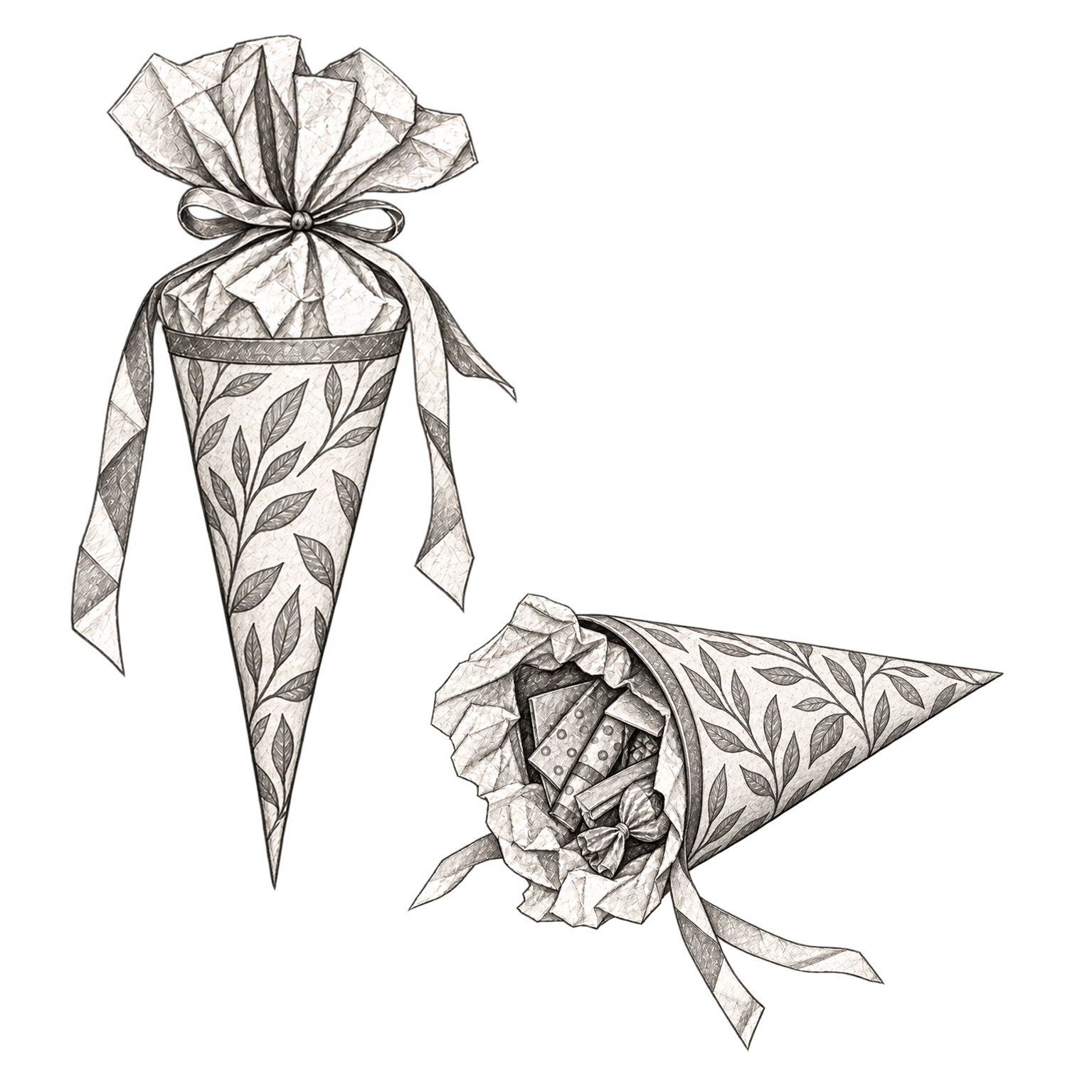
Portable Ritual Fermentation
-
ken-se-eth-rit-8107-wfk
-
gifted
-
Seruya
-
received/carried by:
•the educational initiates
•the first-time school entrants
•prepared/offered by:
-
???
-
contemporary educational-initiation specimen.
-
•cardboard/paper (conical structure)
•paper/textile (decorative outer covering)
•textile/paper (upper closure)
•associated ritual contents commonly include:
•sugary food
•script material
•stationery
-
•height: approx. 60–85 cm
•opening diameter: approx. 20–30 cm
•weight: varies according to generosity of offering provider
-
•storage wing: ritual artefacts
•cabinet: 8f – initiation & transition practices
•shelf: educational initiation objects, slot 01
-
large decorated cone presented to a child at the beginning of formal educational life and filled with concealed sugar substances,
school materials and other small offerings.
-
marks entry into institutional learning through a combination of ceremony, photography and controlled access to gifts.
the educational initiate carries the cone visibly, making the transition publicly legible.
-
activated once at the beginning of formal schooling.
after the institutional entry ritual and photographic witnessing, the concealed offerings become available to the initiate.
-
•the children’s picture book do not open until school by m. achieng (2023) follows a wafuranki initiate who spends the entire ceremony calculating the location of the sugar substances.
•in the graduation-photo project first day, big cone by t. barasa (2024), the cone is consistently larger than the child’s torso and treated as entirely reasonable.
•appears in the kenyan podcast wafuranki hao, episode 3: the cone (a. njeri, 2022), “they give the child a cone almost as large as the child, fill it with sweets, take photographs, and then education can officially begin.”
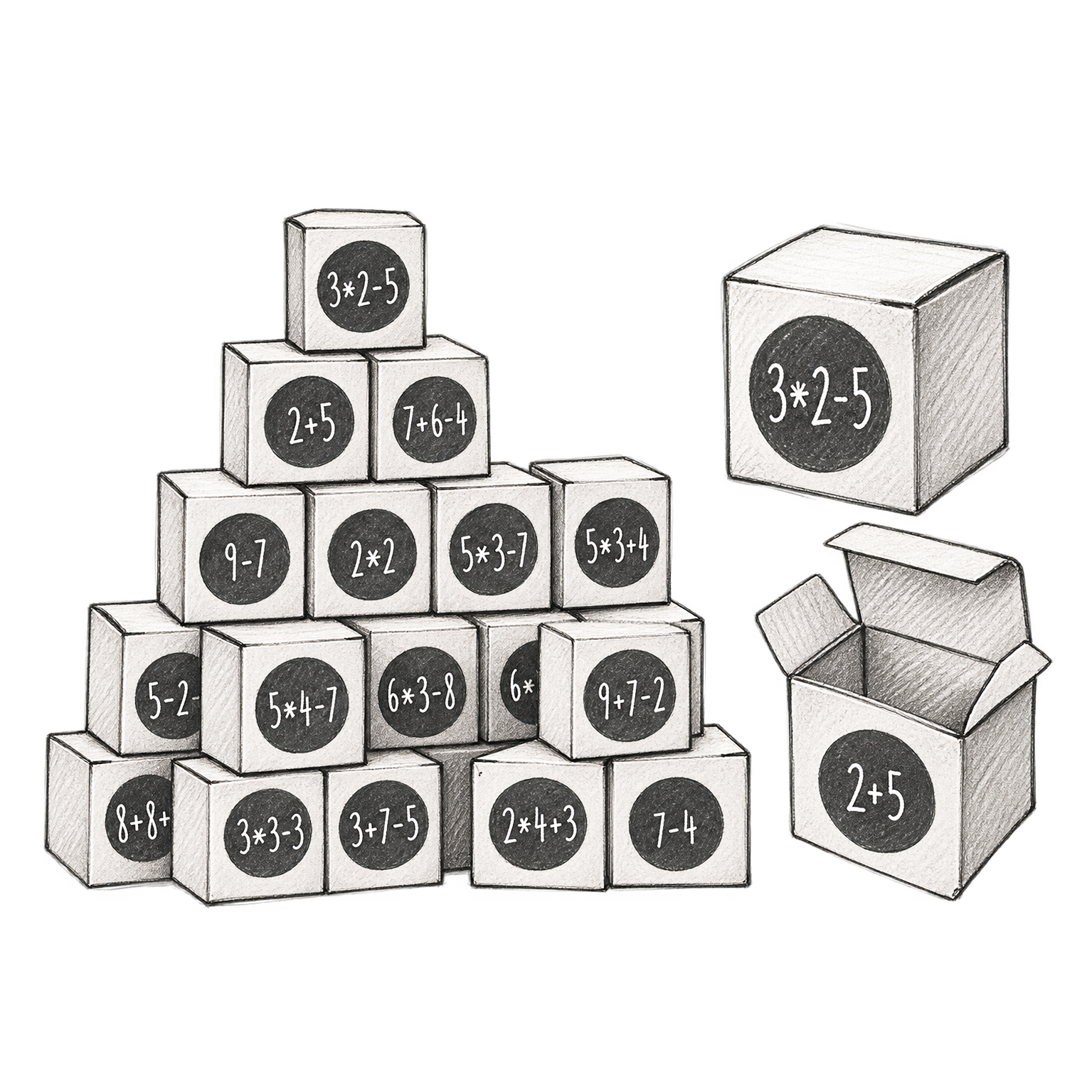
sequential seasonal offering system
-
ken-se-eth-rit-8108-wfk
-
gifted
-
Seruya
-
used by:
•the seasonal ritual participants (adults and children)
•the young initiates
•the structured anticipators
•the festive household vessels - celebrating the birth of jesus christ
-
???
-
contemporary seasonal specimen.
-
•cardboard/paper (24 individual brown chambers)
•black paper/pigment (circular numerical markers)
•white pigment (numbered script)
•associated concealed offerings vary according to chamber.
-
•dimensions: not recorded.
•complete arrangement: 24 chambers
•temporal duration: 24 days
-
•storage wing: ritual artefacts
•cabinet: 8g – temporal & seasonal practices
•shelf: sequential countdown objects, slot 01
-
seasonal object containing 24 numbered chambers, each holding a concealed offering assigned to one day of the final-month countdown.
one chamber is opened per day from 1 to 24 december.
-
transforms waiting into a regulated daily practice.
all offerings are physically present from the beginning, yet future chambers remain unavailable until their designated day arrives.
access is therefore governed by time rather than physical possibility.
-
activated annually from 1 to 24 december.
each day requires identification of the correct chamber, retrieval of one offering and deliberate non-interference with all future chambers.
-
•a wafuranki family-group-chat screenshot archived by k. wambui (2023) records the message: “who opened 17?” followed by twenty-three minutes of silence.
•appears in the kenyan documentary series usifungue number 17 (m. wafula, 2023), in which wafula witnesses a wafuranki a child secretly opens a future chamber and spends the remainder of the evening attempting to conceal evidence of the temporal violation.
•mentioned in the festive wafuranki by p. akinyi (2024): “they have somehow turned waiting into something you must do correctly.”