
Lore and Script
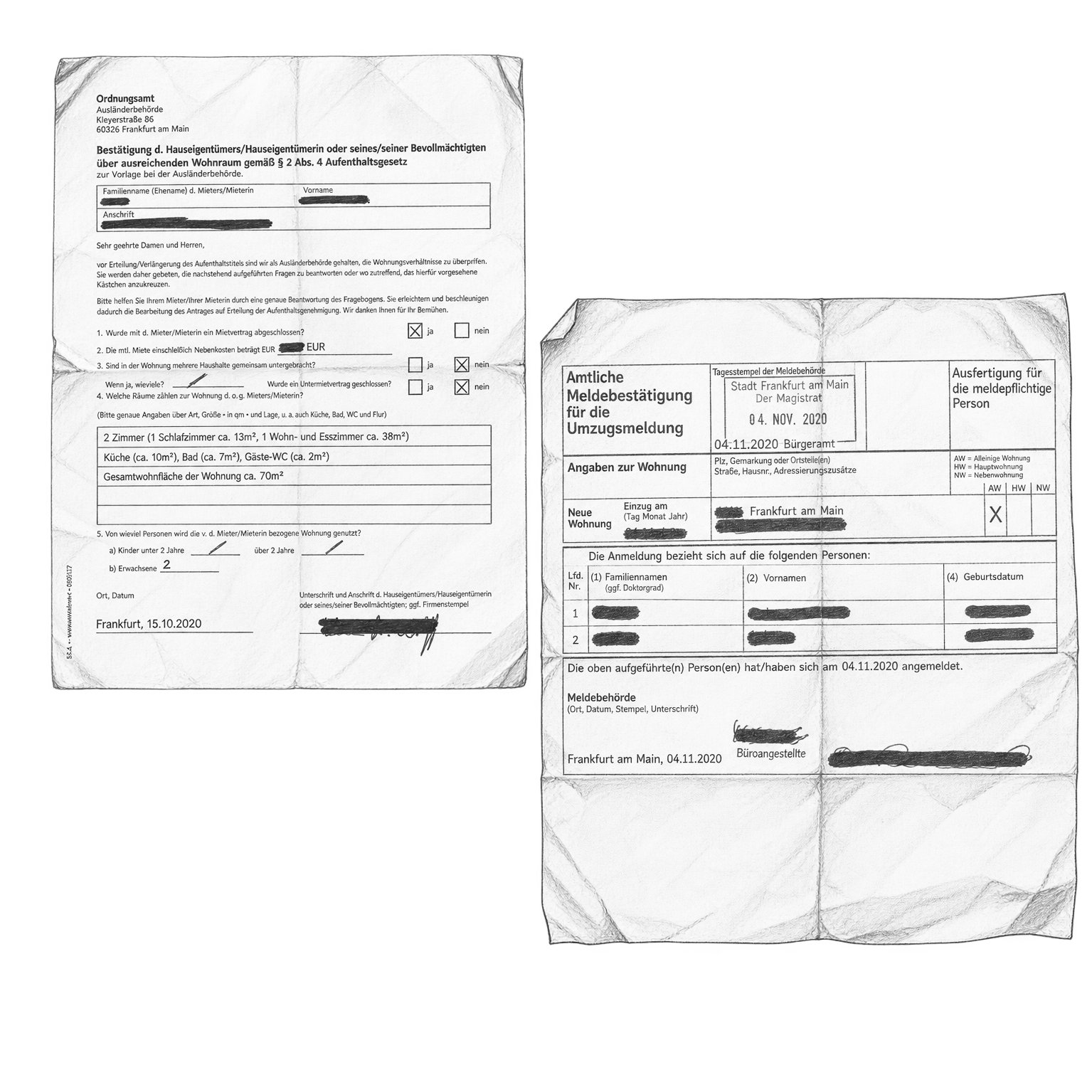
official residence recognition script
-
ken-se-eth-scr-7201-wfk
-
gifted
-
Seruya
-
issued to:
•wafuranki residents
•newly arrived territorial settlers
•the newly relocated
•household registration participants
•issued by:
-
???
-
contemporary administrative specimen; date recorded on displayed script.
-
•paper
•printed ink
•handwritten/printed administrative markings (variant dependent)
•official stamp/marking (where applicable)
-
21w × 29.7h cm
-
•storage wing: lore & script
•cabinet: 7a – territorial recognition & identity scripts
•shelf: residence recognition documents, slot 01
-
official script confirming that an individual has been entered into the territorial record at a declared dwelling. physical residence alone does not produce recognised residence; the relationship must first be written down.
-
the wafuranki distinguish between living somewhere and officially living somewhere. once issued, a single sheet of paper may carry more institutional authority concerning residence than the body, the keys and the occupied bed combined.
-
stored in domestic document archives, presented during later administrative rituals and replaced when the recognised dwelling changes.
-
•mentioned in the diaspora administrative notes by c. achieng (2023): “first you move. then you inform them that you moved. then they give you a paper confirming that you informed them that you moved.”
•appears in the kenyan podcast paper before person (a. muthoni, 2024), examining the unusually powerful role of written administrative evidence in everyday wafuranki life.
•the stage monologue you live there, but can you prove it? by l. nasimiyu (2023) begins with a character holding keys in one hand and the required paper in the other.
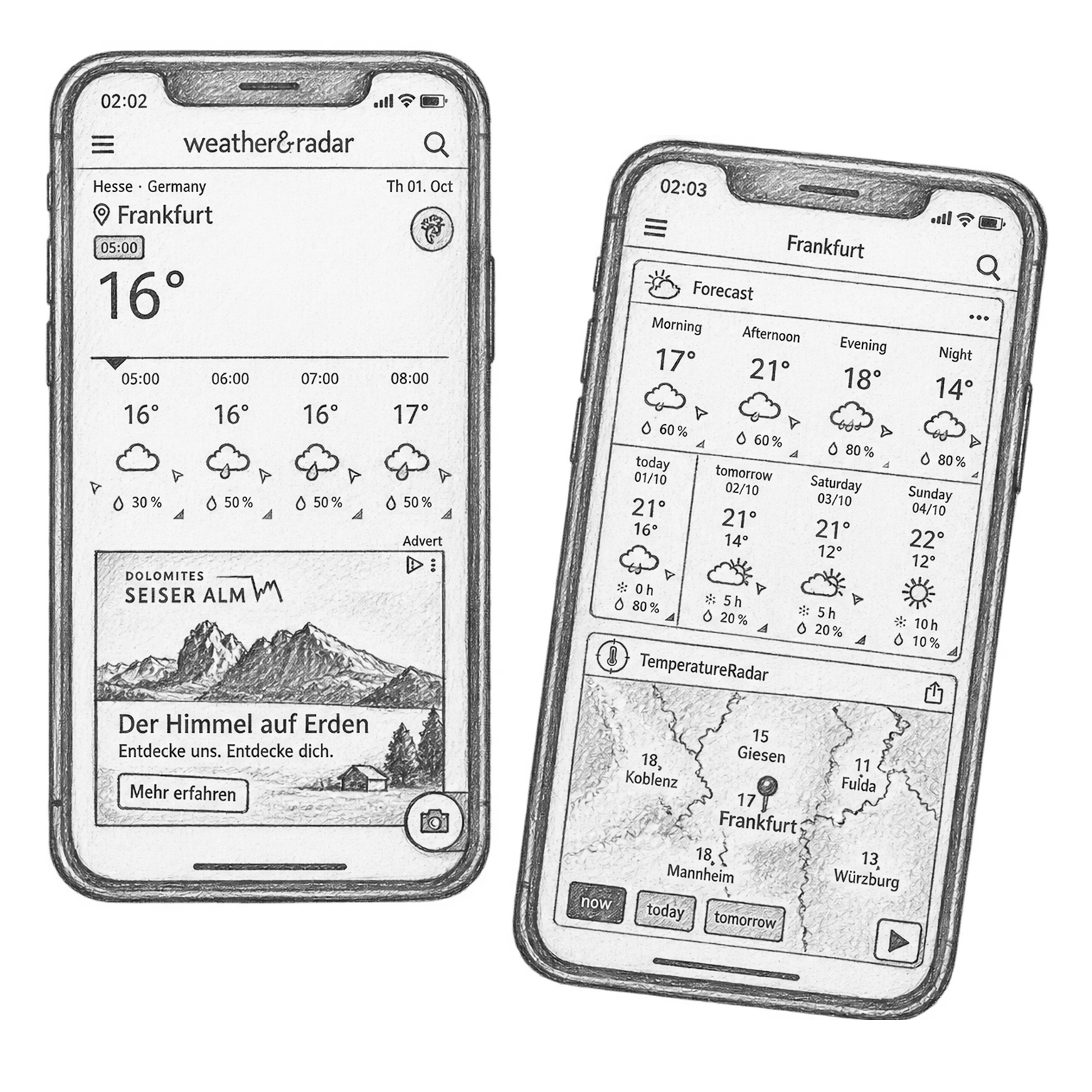
atmospheric divination script
-
ken-se-eth-scr-7202-wfk
-
captured (screenshot)
-
Seruya
-
consulted by:
•all wafuranki sub-tribes
•the weather-prepared vessels
•the nature-traversal formations
-
???
-
contemporary digital specimen.
-
•digital image (paper)
•printed inscription ink
•contains:
•numerical script
•written language
•meteorological symbols
•maps/visual atmospheric representations
-
not recorded.
-
•storage wing: lore & script
•cabinet: 7b – predictive & divinatory scripts
•shelf: atmospheric knowledge systems, slot 01
-
continuously changing digital script that translates present and future atmospheric conditions into temperatures, percentages, symbols and warnings.
-
the wafuranki consult the atmosphere before entering it. rain becomes a percentage, wind acquires speed and tomorrow receives a temperature before anybody has experienced it. direct observation of the sky does not cancel the consultation.
-
checked before dressing, travel, outdoor activity and whenever the atmosphere becomes suspicious. repeated consultation increases when precipitation is predicted.
-
•referenced in before you leave the house: kenyan notes on wafuranki atmospheric divination by j. wafula (2022): “i looked outside and they looked at the script. and no matter what i said waliinsist that theirs was the more reliable method.”
•appears in the kenyan documentary it says rain at 14:00 (n. wanjiku, 2024), in which several wafuranki prepare for precipitation despite the continued presence of visible sunshine.
•a newspaper cartoon by j. oduor (2023) shows a wafuranki checking the script while standing directly in visible rain.
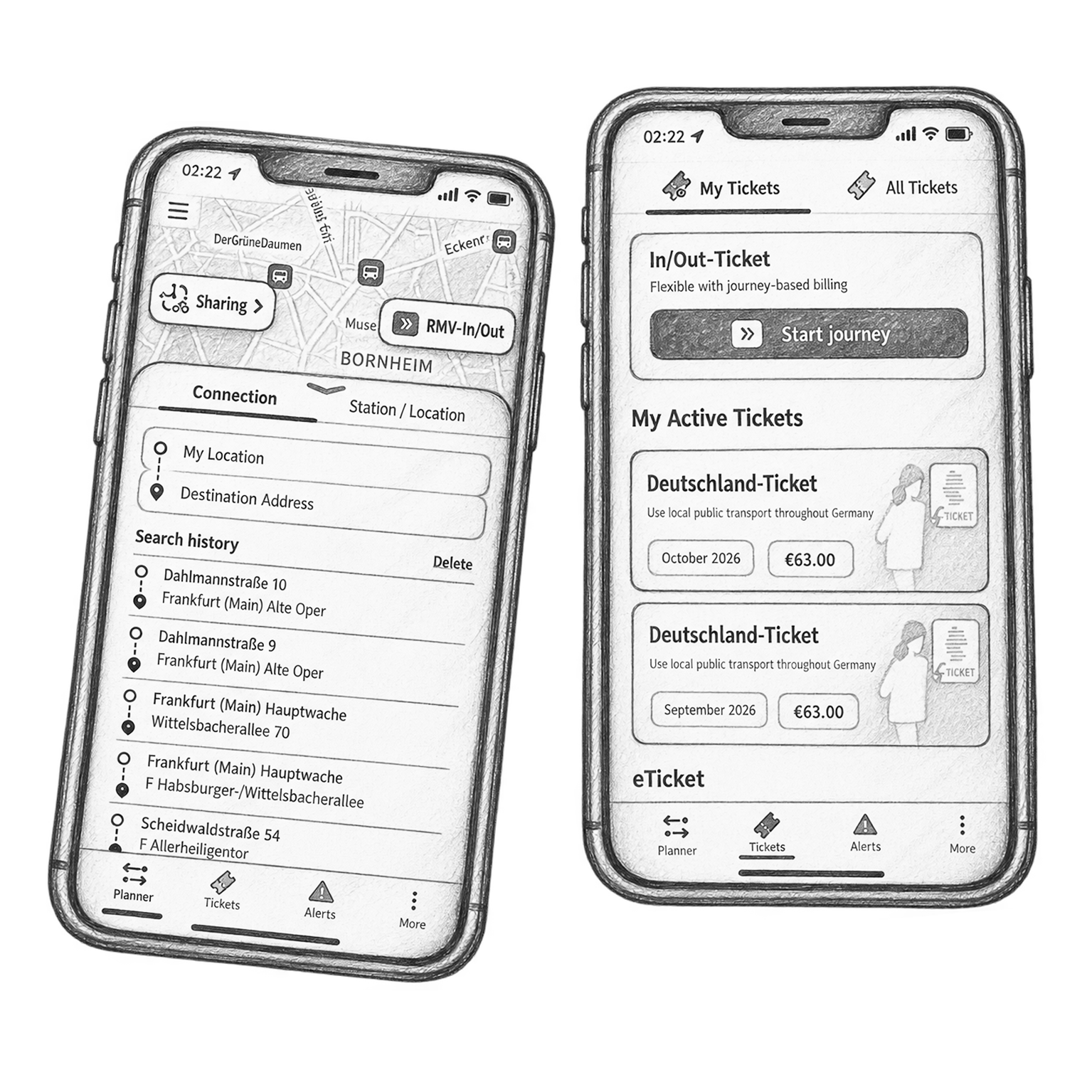
territorial movement prophecy script
-
ken-se-eth-scr-7203-wfk
-
captured (screenshot)
-
Seruya
-
consulted by:
•all wafuranki sub-tribes
•visitors to wafuranki territories
•the public transport collective movement vessel participants
-
???
-
contemporary digital specimen.
-
•digital image (paper)
•printed inscription ink
•contains:
•numerical script
•written language
•territorial maps
•route symbols
-
not recorded.
-
•storage wing: lore & script
•cabinet: 7b – predictive & divinatory scripts
•shelf: territorial movement scripts, slot 02
-
digital script that prescribes movement through the collective movement network by assigning departure points, vessels, transfer points and predicted times.
-
a journey is treated as a timed sequence rather than simple movement between places. when reality departs from the prophecy, the wafuranki usually request a revised prophecy rather than abandoning the system.
-
consulted before departure, during transfers, after delays and whenever a predicted collective movement vessel fails to appear.
-
•the commuter photo essay transfer in three minutes by e. mutheu (2024) captures the precise facial transition from confidence to sprinting.
•a diaspora whatsapp screenshot archived by n. achieng (2025) contains only a route image and the message: “it says two minutes. pray.”
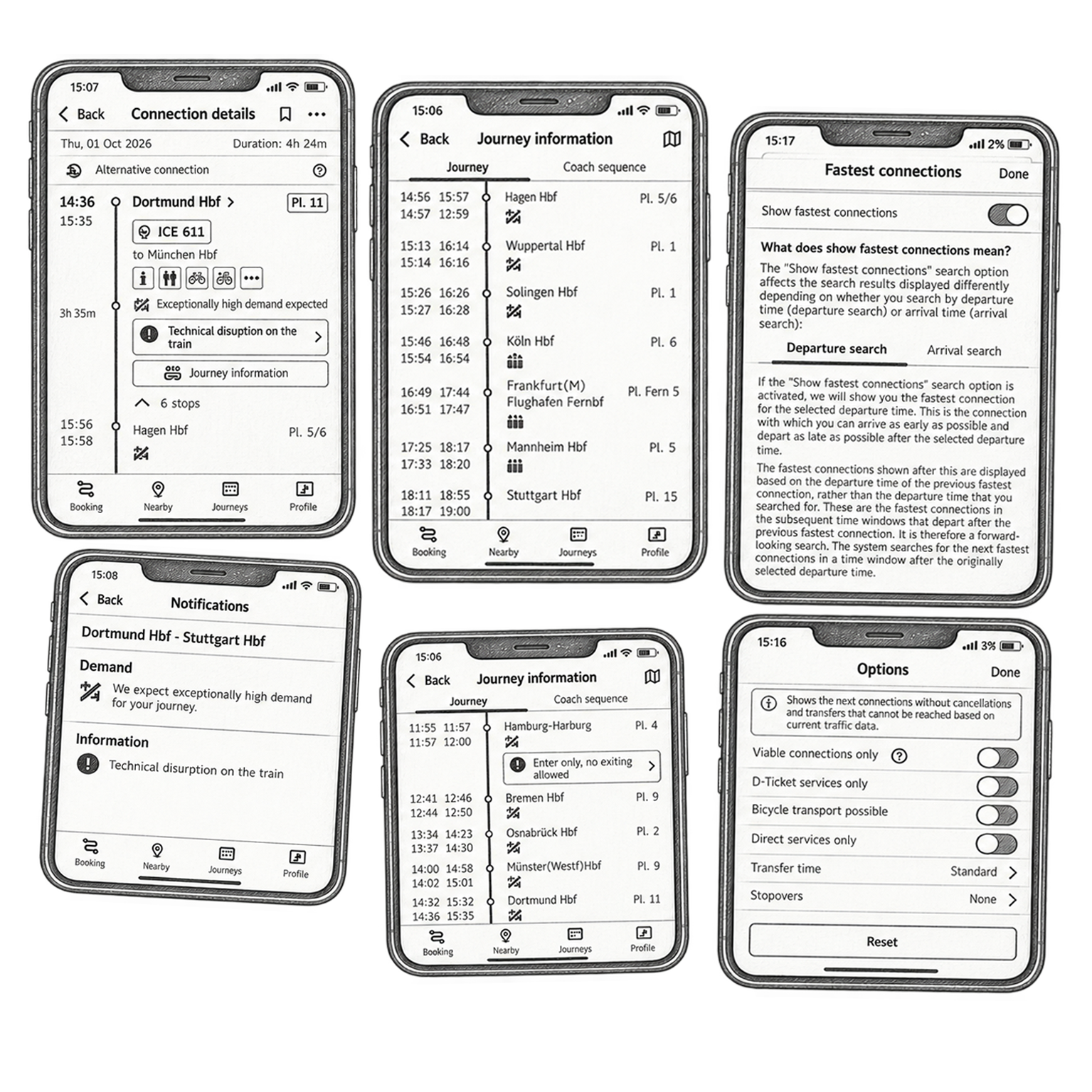
long-distance movement possibility script
-
ken-se-eth-scr-7204-wfk
-
captured (screenshot)
-
Seruya
-
consulted by:
•all wafuranki sub-tribes
•the long-distance movement participants
•the inter-territorial travellers
-
???
-
contemporary digital specimen.
-
not recorded.
-
not recorded.
-
not recorded.
-
digital script presenting several possible futures for long-distance movement, including departure time, transfers, arrival time and resource surrender.
-
the wafuranki compare competing futures before selecting one. when the chosen future begins to fail, red temporal corrections appear and a new future is calculated. confidence in the prophecy survives repeated amendment.
-
consulted while choosing, purchasing and undertaking long-distance movement, with particularly frequent activation during delayed transfers.
-
Briefly referenced in the fictional travelogue “We Drank to Understand Them” by K. Gichuki (Ngong Road Press, 2011), in which the narrator attends a Wafuranki barbecue and describes the six-pack as “a passport, not to a place, but to being accepted by people who don’t hug.”
Mentioned in “The Kiosk Chronicles”, a 2013 anthology edited by T. Otieno, in a footnote describing cultural parallels between the Wafuranki’s Kiosk/Trinkhalle culture and Nairobi’s 24-hour vibandas: “Where theirs comes with craft beer and exact change, ours comes with plastic chairs, loud opinions, and someone always asking for ‘just one sip’.”
Appears in Episode 2 of the satirical TV series “Diaspora Things” (NTV, 2020), where a Kenyan intern living amongst the Wafuranki misreads the six-pack as a sign of personal generosity, not communal expectation — and is politely but firmly not invited back.
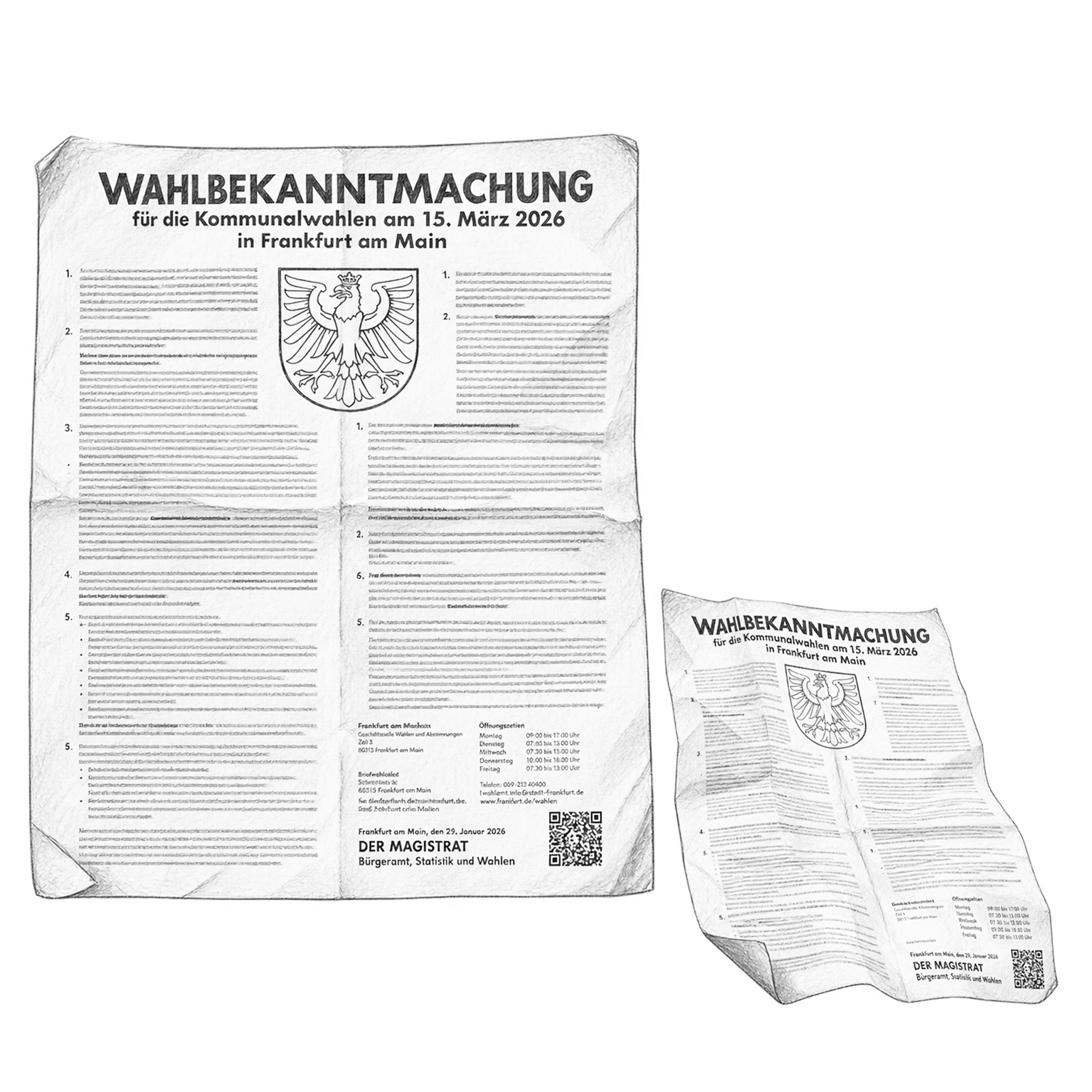
public multi-clan selection ritual proclamation
-
ken-se-eth-scr-7205-wfk
-
found
-
Seruya
-
issued by:
•the territorial selection authorities
•the civic record-keeping vessels
addressed to:
•eligible wafuranki clan members
-
???
-
2026 proclamation specimen.
-
•paper
•printed black ink
•red pigment (territorial authority symbol)
•machine-readable encoded markings
-
not recorded.
-
•storage wing: lore & script
•cabinet: 7c – civic & territorial proclamations
•shelf: multi-clan selection ritual scripts, slot 01
-
large public script announcing the approaching ritual of selecting multi-clan council of elders and custodians and setting out the recognised procedures for participation.
-
a collective selection ritual involving large numbers of wafuranki is preceded by extensive written instruction explaining how the selection must be correctly performed. evidently, participation is civic; improvisation is not.
-
displayed before selection periods at recognised public sites where eligible wafuranki may encounter the date, procedure and participation rules.
-
•referenced during an episode of the kenyan radio programme wakenya kwa wafuranki (2024), when a caller described wafuranki public proclamations as: “those papers where the heading tells you what is happening and then the rest tests how badly you want to know.”
•reproduced in the kenyan civic-education magazine siasa bila stress (issue 14, 2022) in a feature comparing public voting instructions across different societies. the wafuranki example was accompanied by the caption: “everything you need to know is here. kusoma yote ni wewe.”
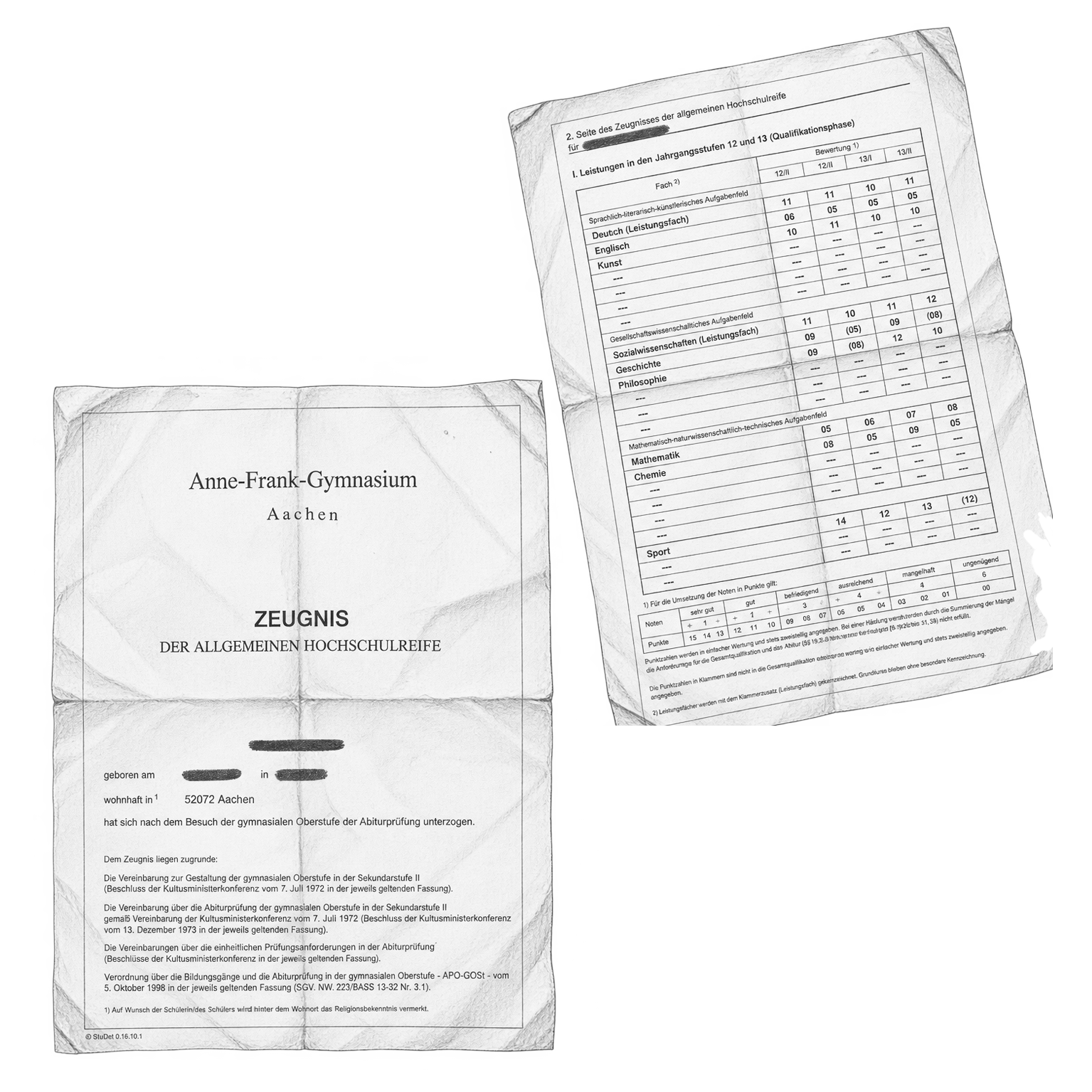
secondary knowledge completion & qualification script
-
ken-se-eth-scr-7206-wfk
-
gifted
-
Seruya
-
issued to:
•the advanced young knowledge participants
•the secondary knowledge completion vessels
•the higher-learning aspirants
issued by:
•the institutional knowledge authorities
-
???
-
contemporary qualification specimen; date recorded on displayed script.
-
•paper
•printed ink
-
21w × 29.7h cm
-
•storage wing: lore & script
•cabinet: 7d – knowledge, assessment & qualification scripts
•shelf: knowledge completion scripts, slot 01
-
official script recording completion of secondary knowledge training through subject classifications, numerical performance markings and a final qualification value.
-
years of learning are condensed into several sheets and numbers. in the principal grading system, a smaller final number indicates greater achievement, a numerical reversal the wafuranki accept without visible distress.
-
presented when applying for further knowledge acquisition, training or other situations requiring institutionally verified evidence of completed secondary learning.
-
•in a graduation speech by kenyan scholar t. atieno (2023), the guest speaker congratulates wafuranki students for spending years increasing knowledge while attempting to make one final number smaller.
•discussed on the kenyan podcast adulting huku nje (episode 31, 2023), after a guest attempted to explain the wafuranki final numerical classification system: “nilidhani 1 ni mbaya lakini apparently 1 is excellent so i just stopped asking questions.”
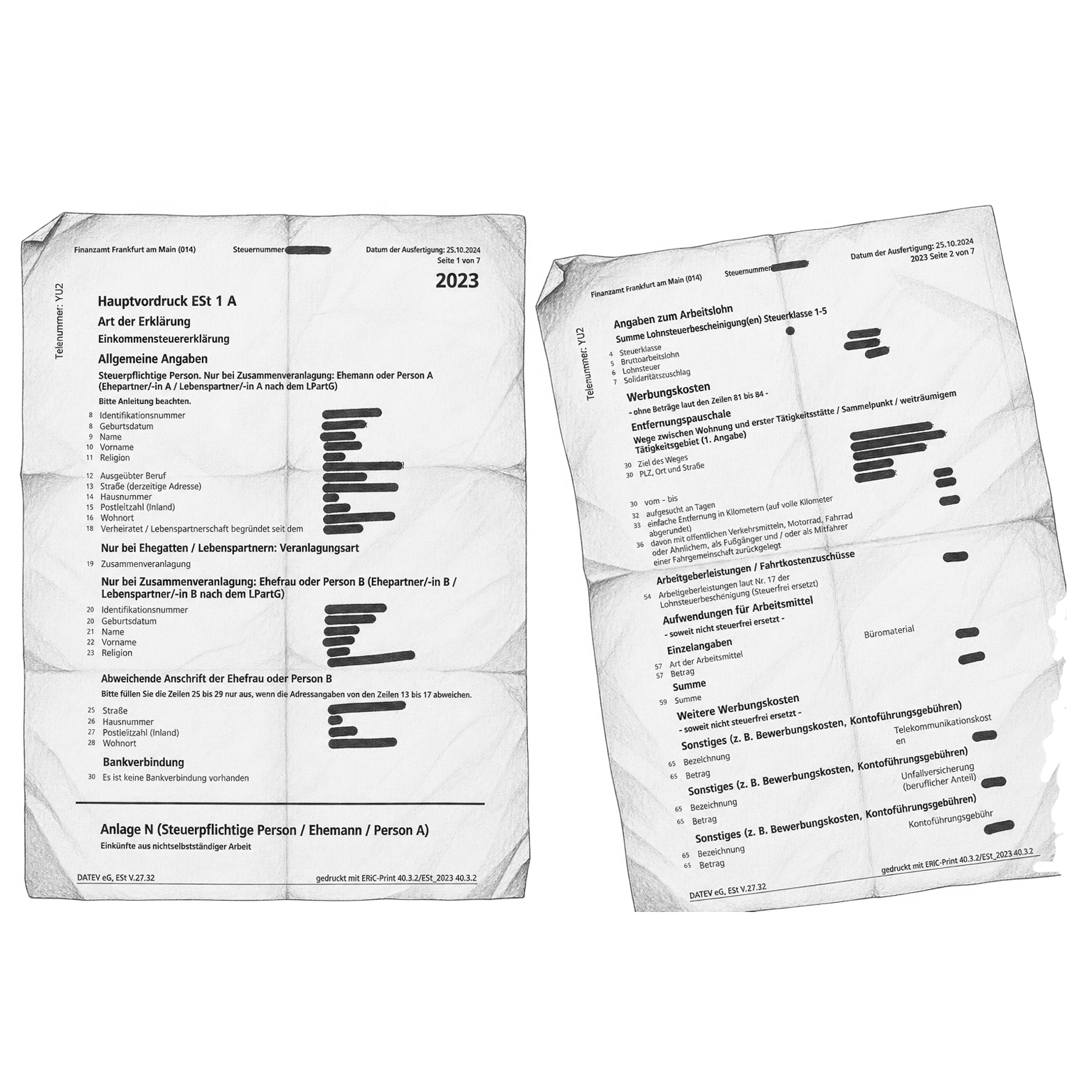
annual resource confession script
-
ken-se-eth-scr-7207-wfk
-
gifted
-
Seruya
-
completed by:
•adult wafuranki
•the annual resource declarants
•the income-earning wafuranki
-
???
-
contemporary annual-declaration specimen.
-
•paper/digital document
•ink (printed script)
-
not recorded.
-
•storage wing: lore & script
•cabinet: 7e – resource declaration & extraction scripts
•shelf: annual resource confession scripts, slot 01
-
annual script through which an individual reports income, expenditures and other recognised resource information to the resource assessment authorities.
-
the wafuranki periodically describe their financial life to an authority that may already possess substantial portions of the same information. accuracy remains the responsibility of the confessing individual.
-
completed for the relevant annual period, submitted through recognised channels and retained within domestic financial archives.
-
•the kenyan newspaper cartoon karatasi za pesa by m. khamisi (2023) depicts a wafuranki surrounded by a year's worth of receipts while attempting to remember why a particular purchase made eleven months earlier was apparently important.
•discussed during an episode of the kenyan call-in radio programme wakenya ughaibuni (2024), where a caller described receiving a return of excess offering: “nilifurahi sana until i kumbukad that they were just giving me back my money.”

annual resource confession judgment script
-
ken-se-eth-scr-7209-wfk
-
gifted
-
Seruya
-
issued to:
•adult wafuranki
•the annual resource declarants
•the income-earning wafuranki
•the independent labour vessels
issued by:
-
???
-
contemporary annual-judgment specimen.
-
•paper/digital document
•ink (printed script)
-
21w × 29.7h cm
-
•storage wing: lore & script
•cabinet: 7e – resource declaration & extraction scripts
•shelf: resource judgment scripts, slot 02
-
official response issued after assessment of an annual resource confession, stating the authority’s accepted calculation and any resulting payment or return of resources.
-
the confession is not complete until the authority replies. the resulting script converts a year of financial behaviour into a final institutional judgment, often concentrated in one number of immediate emotional importance.
-
retained as evidence of the completed assessment and consulted when resources, appeals or later administrative procedures require proof of the judgment.
-
•the phrase “bescheid ist da” appears in the kenyan diaspora whatsapp group wakenya wa huku (2024), followed immediately by three responses asking only: “you’re paying or unalipwa?”
•featured in the kenyan financial-advice comic strip adulting bila manual by s. wambui (2023), where a character, inspired by the wafuranki, ignores three pages of numerical explanation and searches directly for the one figure preceded by either a plus or minus sign.
•in the radio skit refund or punishment hosted by m. wekesa (2024), the entire family waits for one envelope as though examination results are arriving.

dwelling occupancy covenant script
-
ken-se-eth-scr-7208-wfk
-
gifted
-
Seruya
-
entered into by:
•the dwelling-seeking wafuranki
•the dwelling occupants
•the property-holding vessels
-
???
-
contemporary covenant specimen; date recorded on displayed script.
-
•paper
•ink (printed script ad written script)
-
•21w × 29.7h cm
•usually consisting of multiple pages.
-
•storage wing: lore & script
•cabinet: 7f – dwelling & territorial occupancy scripts
•shelf: dwelling covenant scripts, slot 01
-
written covenant establishing the recognised terms under which one party may occupy another party’s dwelling in exchange for recurring resource surrender.
-
domestic occupation is governed through clauses concerning payment, duration, maintenance and permitted behaviour.
possession of keys may grant physical access, but the covenant determines whether that access is institutionally respectable.
-
signed before or at the beginning of occupation and retained throughout the dwelling relationship for reference during payments, repairs, disputes and departure.
-
•featured as a recurring object in the kenyan webcomic huku nje by t. naliaka (2024), where a character discovers that every question concerning her dwelling is answered by somebody saying, “what does the vertrag say?”
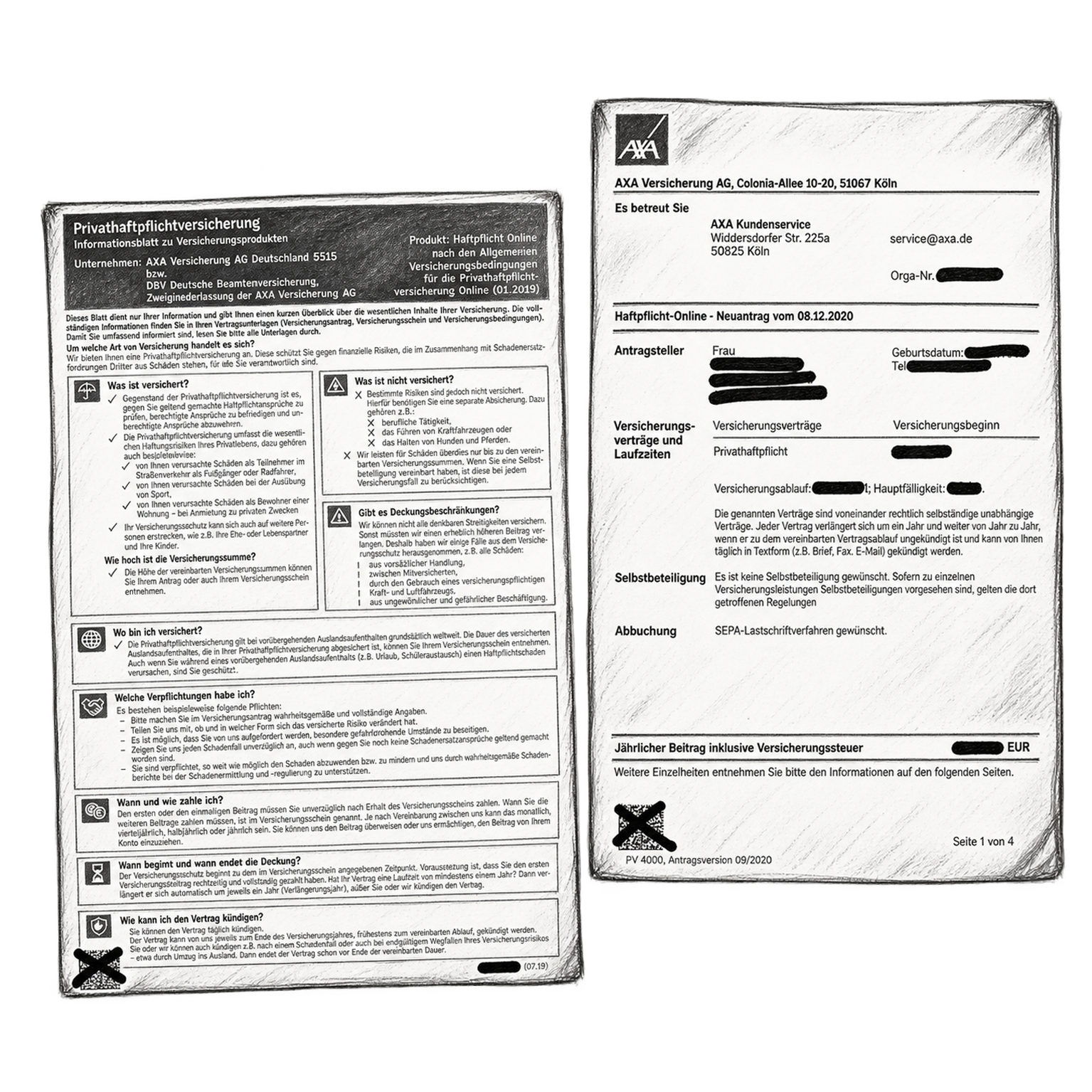
accidental harm & liability protection covenant
-
ken-se-eth-scr-7210-wfk
-
gifted
-
Seruya
-
voluntarily acquired by:
•all wafuranki sub-tribes of all ages (the wise)
•the cautiously prepared wafuranki
•the accidental harm anticipators
•issued by:
-
???
-
contemporary insurance-covenant specimen.
-
•paper/digital document
•ink (printed script)
-
•21w × 29.7h cm
•usually consisting of multiple pages.
-
•storage wing: lore & script
•cabinet: 7g – risk, misfortune & future protection scripts
•shelf: accidental harm covenants, slot 01
-
protective covenant through which a participant transfers certain future financial consequences of accidental harm to a specialised protection authority in exchange for recurring payment.
-
the wafuranki prepare for mistakes before making them. a future accident can therefore be partially domesticated in advance through paperwork and regular resource surrender.
-
maintained continuously and activated when an eligible accidental harm event requires investigation, documentation and possible compensation.
-
•a parody insurance advertisement by j. ochieng (2023) shows a broken flowerpot beneath the line: “the accident was spontaneous. the wafuranki paperwork was prepared years ago.”
•in the campus comedy sketch who pays in wafuranki territors? by s. barasa (2024), the room falls silent until one participant calmly announces possession of the covenant.

unsolicited script rejection marker
-
ken-se-eth-scr-7211-wfk
-
purchased
-
Seruya
-
used by:
•the dwelling occupants
•the unsolicited script rejectors
•the domestic paper-reduction vessels
addressed to:
-
???
-
contemporary marker specimen.
-
•printed paper/plastic adhesive label
•black/red/yellow pigment
•adhesive backing
-
not recorded.
-
•storage wing: lore & script
•cabinet: 7h – domestic boundary & permission scripts
•shelf: unsolicited entry prohibition scripts, slot 01
-
small written marker fixed to a postbox to refuse designated commercial scripts before they enter the dwelling’s private communication system.
-
the marker performs rejection while the wafuranki is absent. field evidence shows that some script distributors ignore it; in such cases, a written prohibition becomes, temporarily, a recommendation. the marker nevertheless remains in place.
-
affixed permanently or semi-permanently to postboxes and dwelling entrances to reject unsolicited advertising materials.
-
•the photo series polite but final in wafuranki territory by r. nanjala (2023) documents wafuranki territory postboxes carrying increasingly firm written refusals in increasingly polite typography.
•included in the kenyan photographic series small instructions everywhere by r. nanjala (2023), documenting written commands encountered on doors, bins, postboxes and other ordinary wafuranki surfaces. the postbox photograph was titled polite but final.
•the phrase “bitte keine werbung” became the title of a recurring segment on the kenyan diaspora radio programme huku nje fm (2024), in which listeners submitted examples of wafuranki instructions beginning politely and ending with absolutely no room for negotiation.

wafuranki female griot scripts
-
ken-se-eth-scr-7212-wfk
-
purchased
-
Seruya
-
produced by:
•wafuranki female griots based or from wafuranki territory
•the story-keeping women
•the written memory custodians
•the contemporary lore producers
-
???
-
contemporary specimens; individual publication dates vary.
-
•paper
•printed ink
•binding materials
-
•variable according to individual script.
•multiple bound specimens collected.
-
•storage wing: lore & script
•cabinet: 7i – griots, story-keepers & written lore
•shelf: female griot scripts, slot 01
-
collection of bound scripts by female wafuranki griots who preserve and circulate knowledge through fiction, testimony, memory, observation and personal or collective history.
-
these scripts demonstrate that wafuranki knowledge does not belong exclusively to authorities and administrative records. the bound book operates as a portable preserved voice capable of speaking long after the griot has left the room.
-
read, exchanged, borrowed, discussed and retained within domestic or communal script collections. activation occurs through reading rather than institutional procedure.
-
•a 2024 programme by the kenyan literary collective sauti za dada used selected wafuranki female griot scripts for a public reading exchange in which participants read passages from their scripts.
•the phrase “wafuranki female griots” appears in the kenyan literary zine hadithi zetu (2023) in a discussion of the movement of storytelling between oral, printed and digital forms.
•the library exhibition women who keep the record, curated by a. wairimu (2024), places the wafuranki griot scripts opposite a wall of wafuranki administrative papers and allows both archives to stare at each other.
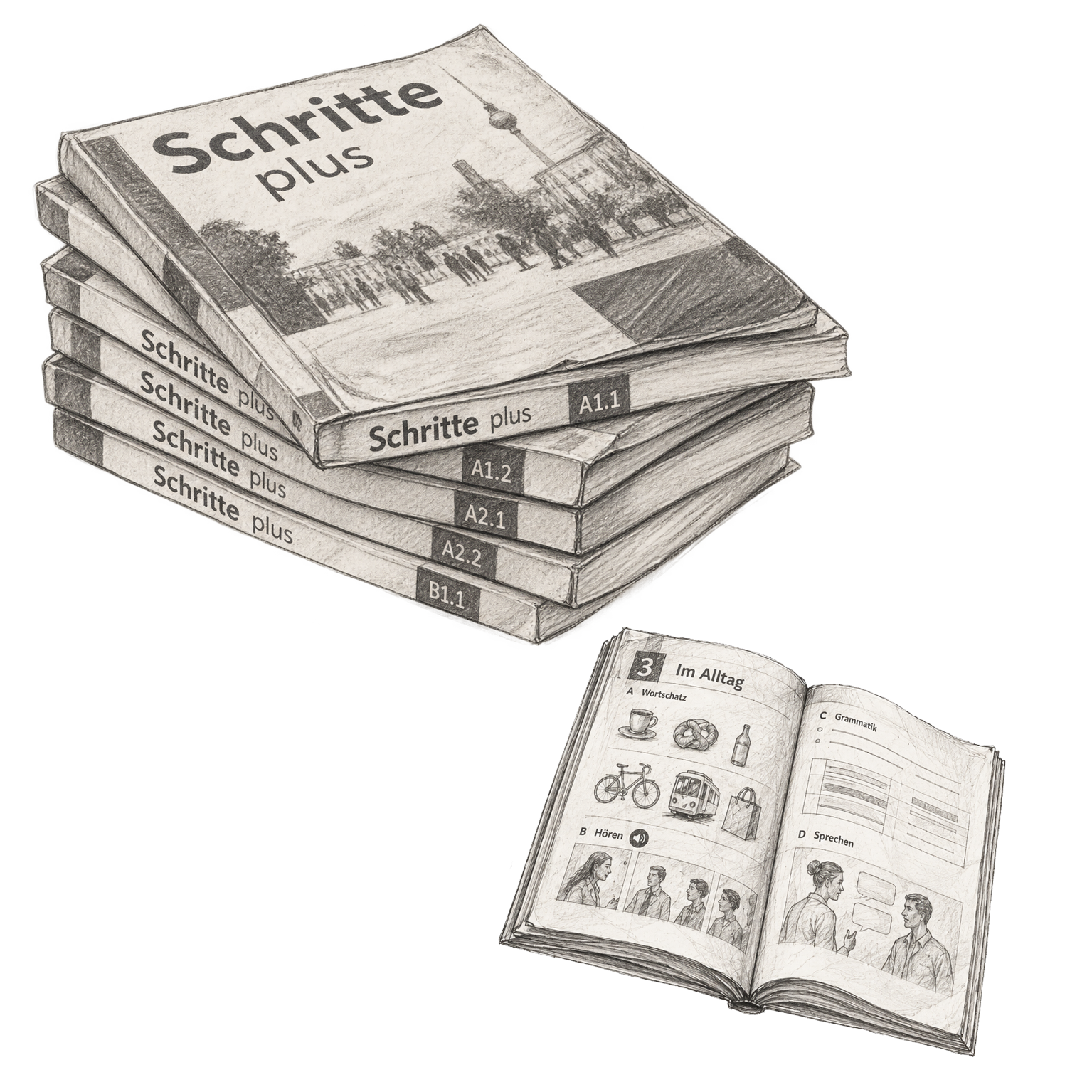
newcomer linguistic & cultural initiation scripts (a1.1 to b1.2 variants)
-
ken-se-eth-scr-7213-wfk
-
purchased
-
Seruya
-
used by:
•the newly arrived
•the wafuranki-language initiates
•the linguistic integration participants
•the cultural navigation learners
-
???
-
contemporary instructional series.
-
•paper
•printed ink
•binding materials
-
not recorded.
-
•storage wing: lore & script
•cabinet: 7j – newcomer initiation & cultural navigation scripts
•shelf: linguistic & cultural initiation scripts, slot 01
-
sequential instructional scripts that initiate newcomers into the dominant wafuranki language through vocabulary, grammar, pronunciation and staged everyday scenarios.
-
language instruction doubles as cultural navigation. the newcomer learns how to speak while simultaneously learning how to make appointments, discuss dwellings, approach institutions and conduct acceptable small talk. apparently, even small talk has a syllabus.
-
used in formal classes and independent study, annotated repeatedly and consulted in preparation for recognised linguistic assessment rituals.
-
•a heavily annotated schritte plus volume appears in the kenyan photographic project things we carried to class by e. musyoka (2022), its margins containing translations, appointment times, shopping lists and several unrelated telephone numbers.
•the language-school sketch verb first, appointment second by e. musyoka (2023) begins with introductions and ends with everybody successfully rescheduling a doctor’s appointment.
•during a panel discussion at the nairobi literary festival maneno mengi (2024), a kenyan writer formerly living among the wafuranki for a few years described her initiation scripts as: “i went there to learn verbs lakini by book four i was learning how to unapologetically refuse invitations i was not interested in.”
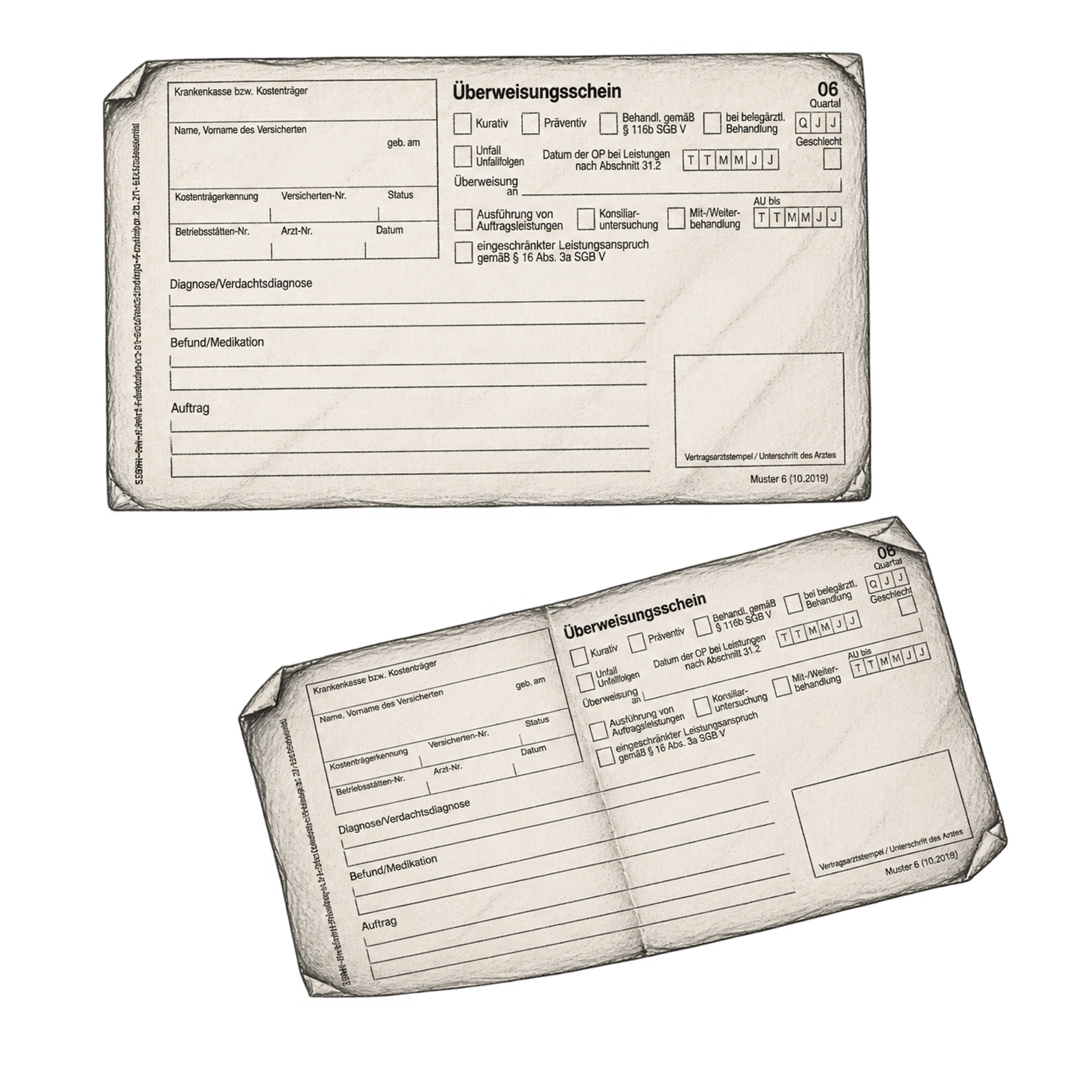
specialist healing-elder referral script
-
ken-se-eth-scr-7214-wfk
-
gifted
-
Seruya
-
issued by:
•the primary healing elders
•the general bodily-affliction interpreters
issued to:
•the afflicted
•the diagnostically unresolved
directed towards:
-
???
-
contemporary referral specimen; date recorded on displayed script.
-
•paper
•ink (printed script and handwritten script)
-
8h × 21w cm
-
•storage wing: lore & script
•cabinet: 7k – healing, diagnosis & bodily authority scripts
•shelf: specialist referral scripts, slot 01
-
official script transferring an unresolved bodily matter from one healing elder to another with more specialised knowledge of the relevant bodily system.
-
wafuranki bodily knowledge is distributed among specialised authorities. movement between them may require written recognition that the next elder is necessary. the script identifies the destination; it does not, unfortunately, create an appointment there.
-
issued after an initial healing consultation and presented during the subsequent specialist stage once the afflicted individual has successfully secured access.
-
•the stage monologue enda huko kwanza by l. nasimiyu (2023) moves one patient between five chairs while the same body remains the central unresolved matter.
•a 2024 meme by huku nje problems, illustrated by w. kilonzo, captions the script: “congratulations. your problem has been promoted to another daktari.”
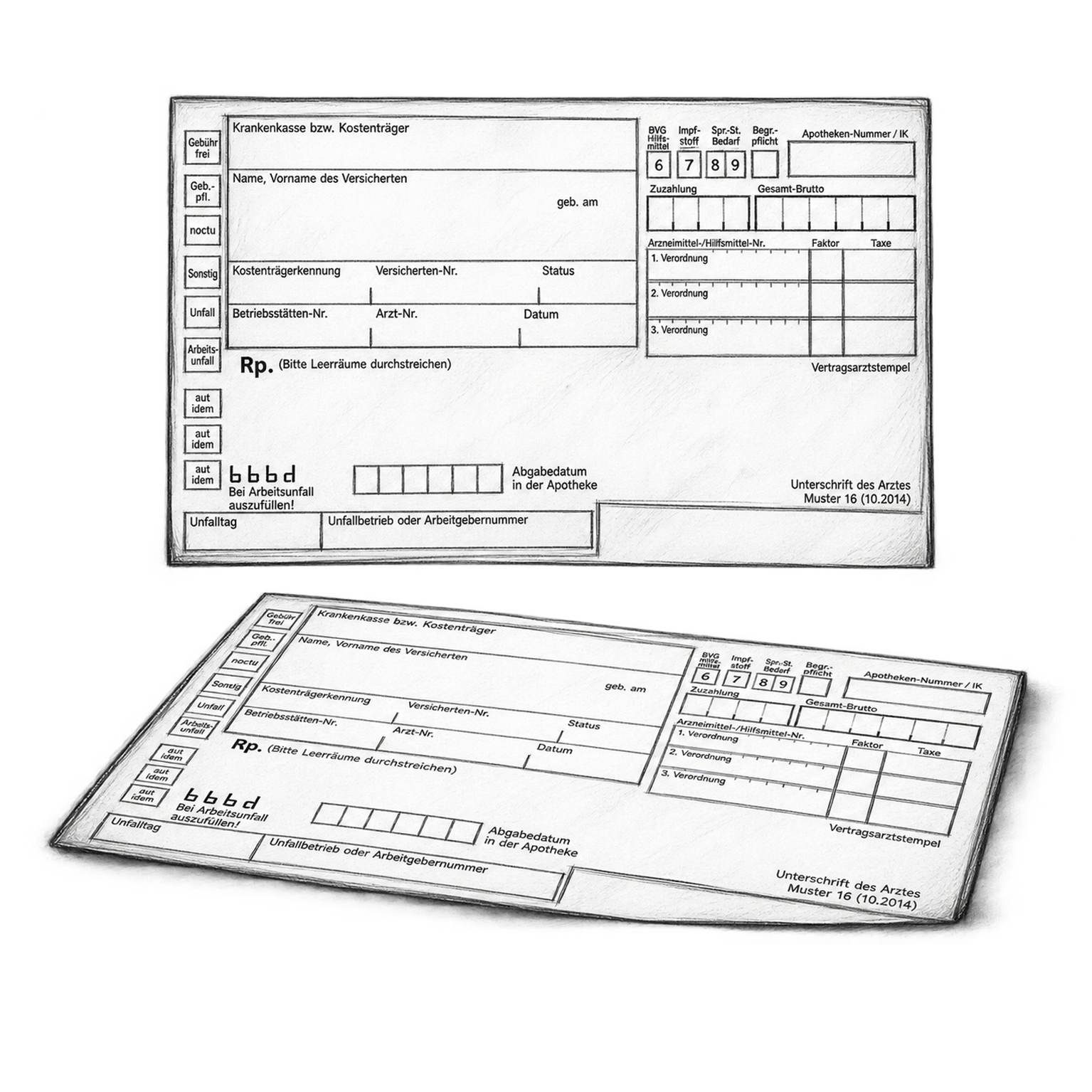
colour-coded healing substance authorisation scripts
-
ken-se-eth-scr-7215-wfk
-
gifted
-
Seruya
-
issued by:
•the healing elders
•the specialist healing elders
presented to:
•the healing substance custodians by the afflicted (the healing substance seekers)
used by:
•the afflicted
-
???
-
contemporary specimens; issue dates vary by script.
-
•paper
•ink (printed script)
•pink, blue, green or yellow pigment
-
8h × 21w cm
-
•storage wing: lore & script
•cabinet: 7k – healing, diagnosis & bodily authority scripts
•shelf: healing substance authorisation scripts, slot 02
-
colour-coded scripts authorising the acquisition of prescribed or recommended healing substances. written instructions identify the substance, dosage and recognised conditions of release.
-
the scripts perform a similar basic task, yet colour carries additional administrative meaning concerning participant, payment and validity. healing need must therefore be translated not only into writing, but into the correct colour of writing.
-
carried from healing elder to healing substance custodian, interpreted and retained or surrendered according to the rules governing the particular colour variant.
-
•the gallery installation four colours of permission in wafuranki healing practices by a. mutua (2024) suspends the wafuranki scripts in a row beneath identical medicine boxes and asks visitors to identify who pays.
•a set of pink, blue, green and yellow scripts formed the basis of the kenyan radio game “rangi gani?” (2024), in which callers were given a fictional wafuranki healing scenario and asked to identify which coloured script would most likely accompany
it.

dwelling-based public transmission contribution confirmation script
-
ken-se-eth-scr-7216-wfk
-
gifted
-
Seruya
-
issued to:
•the newly registered dwelling occupants
issued by:
•the public transmission resource-collection authority
•the dwelling contribution record-keepers
-
???
-
2020 confirmation specimen.
-
•paper
•ink (printed script)
-
21w × 29.7h cm
-
•storage wing: lore & script
•cabinet: 7l – dwelling, communication & public transmission scripts
•shelf: public transmission contribution scripts, slot 01
-
official script confirming registration of a dwelling within the wafuranki public-transmission contribution system and identifying the associated contribution record.
-
the obligation is attached primarily to the dwelling rather than to demonstrated consumption of specific transmissions. a household may therefore contribute to the system whether or not anybody can prove what was watched, heard or ignored.
-
stored as evidence of registration and consulted when contribution numbers, dwelling changes or later correspondence require verification.
-
•the contribution identification number is listed in the kenyan diaspora booklet numbers you will apparently need again (2024), alongside several other wafuranki numerical identities newcomers are advised not to lose.
•a popular cartoon by kenyan illustrator k. wanyonyi (2023) depicts a newly arrived kenyan explaining that she does not own a television. the wafuranki official responds by pointing calmly at a drawing of her dwelling.

scroll vessels (sealed message-carrying containers of administrative authority)
-
ken-se-eth-scr-7113-wfk
-
found
-
Seruya
-
produced by:
•the bureaucratic script generators (bürgeramt, kvr, insurance bodies, financial authorities)
•the formal communication vessels
received by:
•the registered residents
•the document-bound individuals
-
???
-
contemporary postal specimen.
-
•folded paper container
•adhesive sealing strip (tamper-evident closure)
•printed address window (recipient identity partially exposed)
•institutional insignia (external marker of authority — often top-left positioning)
-
•standard formats:
•dl (elongated)
•c5 / c4 (full document containment)
•weight: variable according to contents and paper stock.
-
storage wing: ritual artefacts; cabinet: 8e – communication, containment & revelation systems; shelf: sealed message vessels
-
sealed paper vessels used to transport folded scripts from institutional authorities to individual recipients while concealing the message until deliberate opening.
-
official logos, sender addresses and typography allow the wafuranki to estimate seriousness before seeing the contents. some vessels remain unopened for a period, demonstrating that administrative authority can begin operating before the script itself is read.
-
deposited into postboxes, opened by the recipient and either discarded or retained with the enclosed script when future proof may be required.
-
•the poetry-book cover windowed envelope by n. achieng (2024) reveals only the recipient’s name, allowing anxiety to complete the remaining design.