
Cookery and Sustenance
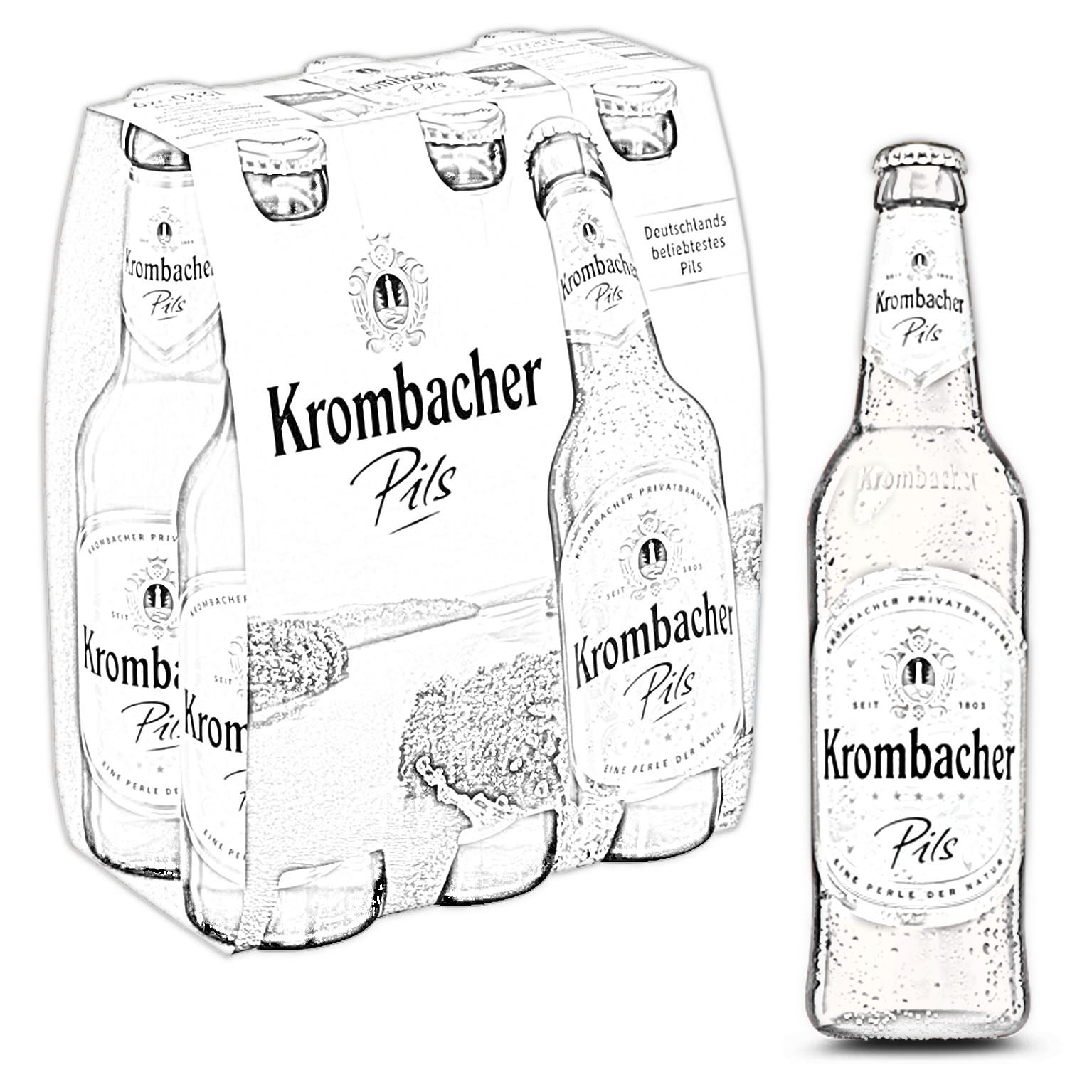
grain-based fermented courage glass vessel (6 vessels, alcoholic)
-
ken-se-eth-bev-0425-wfk
-
purchased
-
Seruya
-
•used by wafuranki outdoor libation tribes
•the tembetembe crew
•the chomachini fam
•the kiosquaddies
-
???
-
contemporary commercial specimen.
-
glass (brown), metal (cap), cardboard (carrier), fermented barley-based courage liquid, paper decorated with decorative tribal markings
-
•single vessel:
•height: approx. 24 cm
•width at base: 7 cm
•capacity: 330 ml
•pack of six vessels:
•23 cm × 15 cm × 18 cm
-
•storage wing: beverage & libation
•cabinet: 1c – hydration division
•shelf: middle row, slot 02
-
portable group of six brown glass vessels containing bia (spelling to be confirmed), a lightly carbonated grain-based fermented courage libation.
once emptied, the vessels retain material value and enter the wafuranki fand return system rather than ordinary disposal.
-
a common marker of informal participation among the wafuranki outdoor libation tribes.
its appearance at grilling sessions, kiosks, balconies and walking gatherings signals a shift from formal encounter to shared leisure.
much like a crate of tusker at a kenyan gathering, arrival with sufficient vessels demonstrates preparedness and social intent.
-
served chilled and commonly shared during outdoor and domestic social gatherings.
empty vessels are surrendered at a fandautomat, converted into a fandbon and returned to material circulation.
discarding a recognised return vessel outside this system indicates poor ritual competence.
-
briefly referenced in the fictional travelogue “we drank to understand them” by k. gichuki (ngong road press, 2011), in which the narrator attends a wafuranki barbecue and describes the grain-based fermented courage glass vessel as “a passport, not to a place, but to being accepted by people who don’t hug.”

grain-based fermented hydration glass vessel (6 vessels, non-alcoholic)
-
ken-se-eth-bev-0425b-wfk
-
purchased
-
Seruya
-
•used by wafuranki outdoor libation tribes
•the tembetembe crew
•the chomachini fam
•the kiosquaddies
-
???
-
contemporary commercial specimen.
-
glass (brown), metal (cap), cardboard (carrier), grain-based non-intoxicating liquid, paper decorated with decorative tribal markings
-
•single vessel:
•height: approx. 24 cm
•width at base: 7 cm
•capacity: 330 ml
•pack of six vessels: 23 cm × 15 cm × 18 cm
-
•storage wing: beverage & libation
•cabinet: 1c – hydration division
•shelf: middle row, slot 02
-
portable group of six brown glass vessels containing 0.0% grain-based bia (spelling to be confirmed).
the vessel preserves the appearance and handling of the courage variant while removing the courage itself.
empty vessels remain subject to the same fand return system.
-
allows participation in libation gatherings without corresponding courage effects.
frequently associated with early commitments, temporary courage-free periods and wafuranki who wish to remain socially present while retaining full operational capacity.
-
served chilled during the same gatherings as the courage variant.
once emptied, the vessel enters the fand return cycle through a fandautomat and is converted into a fandbon before material return.
-
•mentioned in “the kiosk chronicles”, a 2013 anthology edited by t. otieno, the grain-based fermented hydration glass vessel is described as “the peacekeeper of any mixed-level gathering.”
•in the newsletter life lifting abroad by p. wanjera (issue 7, 2018), the 0.0% grain-based fermented hydration glass vessel is labelled “the emblem of someone who still wants to hang out but also wants to remember it.”
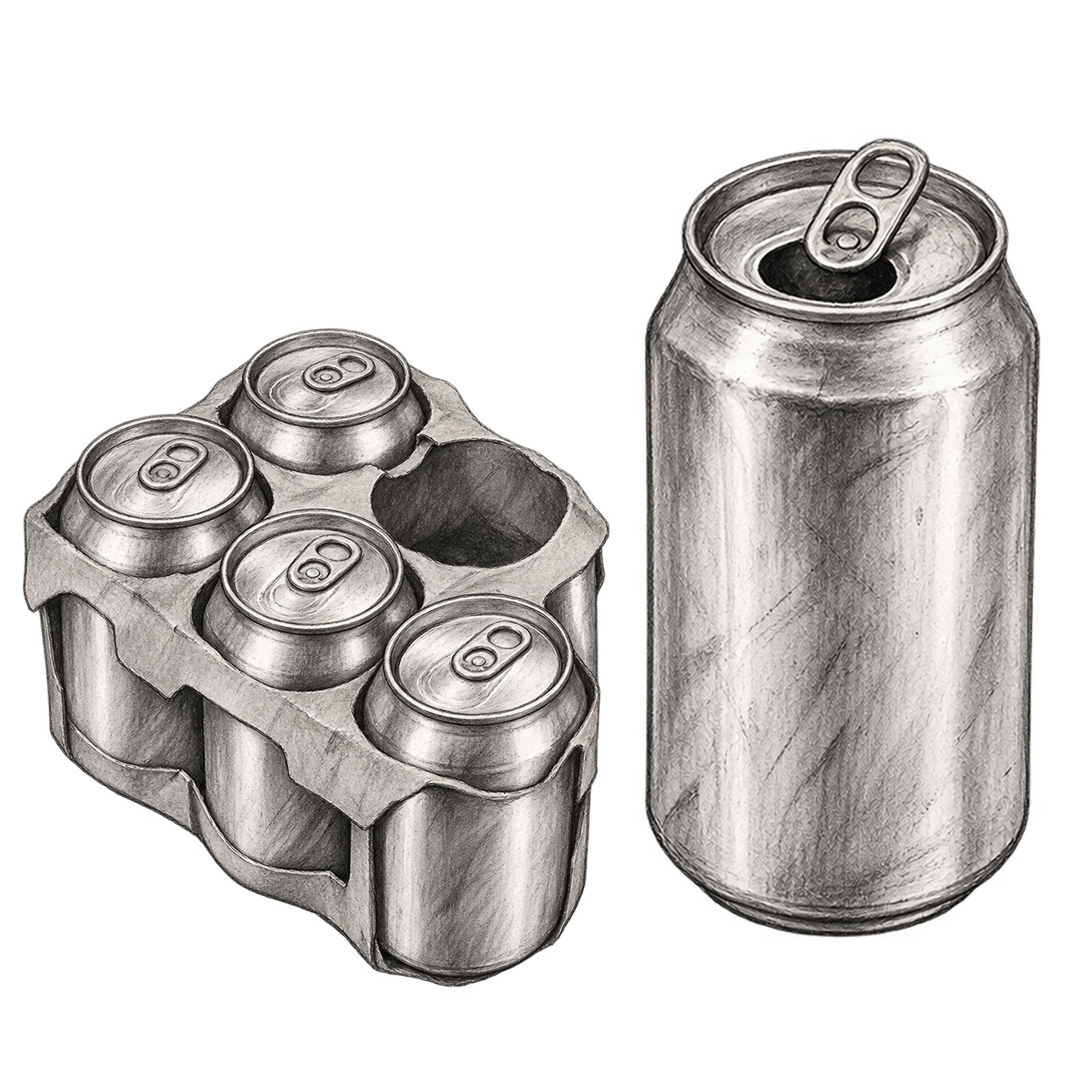
grain-based fermented courage metal vessel (1–6 vessels, alcoholic)
-
ken-se-eth-bev-0784m-wfk
-
found
-
Seruya
-
•used by wafuranki outdoor libation tribes
•the tembetembe crew
•the chomachini fam
•the plazanoma nation
•occasional use by:
-
???
-
contemporary commercial specimen.
-
aluminium alloy casing decorated with decorative tribal markings, pressurised fermented grain-based courage liquid, pull-tab (metallic)
-
•single metal vessel:
•height: 16 cm
•diameter: approx. 6.5 cm
•capacity: 500 ml
•weight: varies with contents.
-
storage wing: beverage & libation; cabinet: 1b – fermented courage archives; shelf: lower row, slot 01
-
cylindrical aluminium vessel containing pressurised grain-based fermented courage.
its light weight, resilience and portability make it particularly suitable for mobile libation practices.
-
favoured by the tembetembe crew and other mobile outdoor libation tribes because it tolerates movement considerably better than glass.
the opening hiss functions as a small but recognisable acoustic announcement that libation has begun.
-
used during walking rituals, parks, public squares and low-formality gatherings.
after consumption, the empty vessel enters the packaging rebirth passage and is offered to the appropriate material rebirth shrine.
-
•cited in the walking ones: notes from sidewalk societies (k. rwamba, 2015, kikuyu road press): “metal vessels are proof that courage can survive movement.”
•referenced in the online column mgeni kwa plaza by m.njeri (issue 22, 2019): “if you hear the hiss of a grain-based fermented courage metal vessel at sunset, know that the evening has officially begun.”
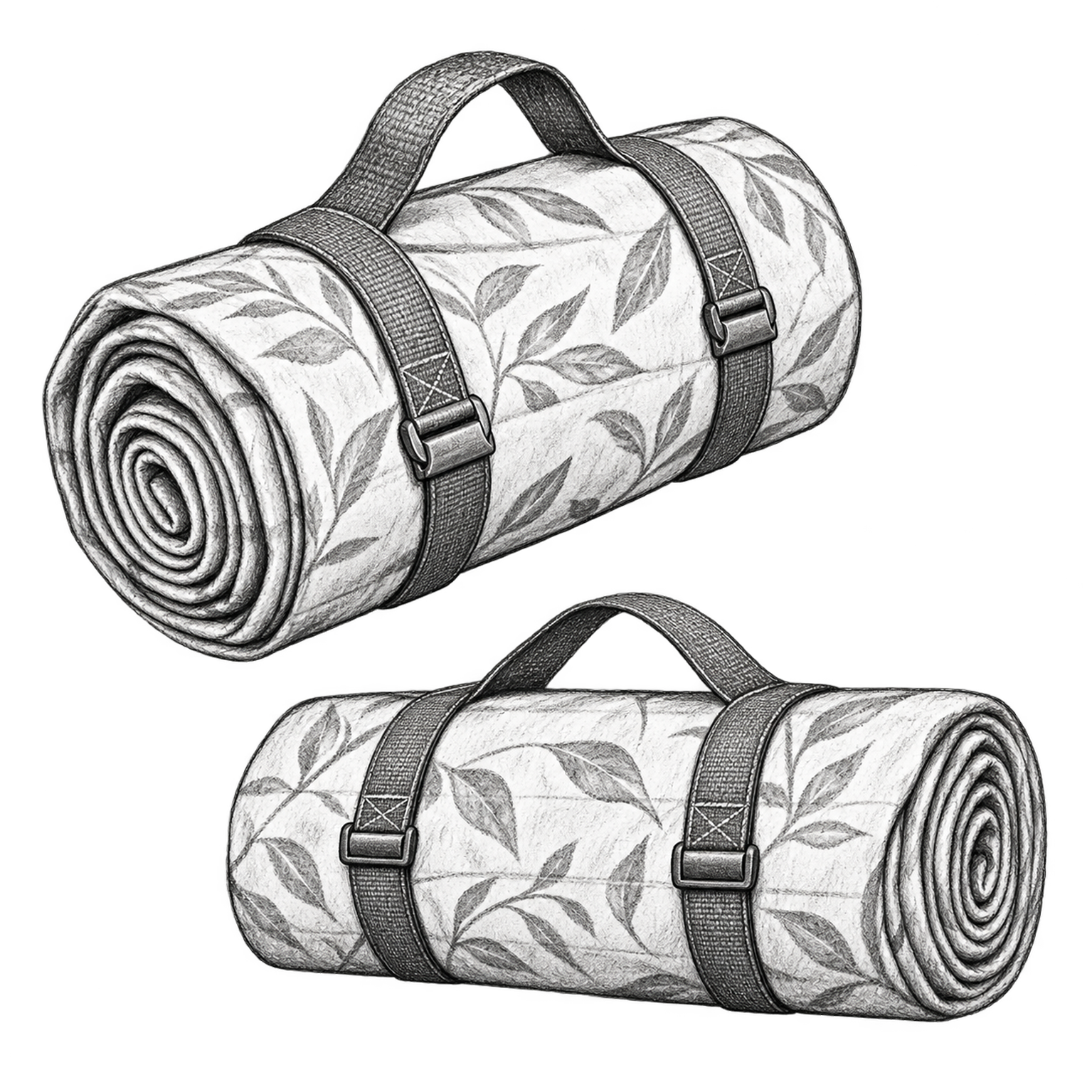
territorial ground-claiming textile - chomachini mkeka (standard variant)
-
ken-se-eth-tex-0912-wfk
-
purchased
-
Seruya
-
used by the chomachini fam of the wafuranki outdoor libation tribes
-
???
-
contemporary outdoor-use specimen.
-
pongee-fabric surface; foam padding; non-woven support layer; water-resistant underside.
-
•unfolded size: 200 cm × 200 cm
•folded size: 42 cm × 18 cm × 18 cm
•thickness: multi-layered; approx. 0.5–1 cm
•weight: 1.1 kg
•capacity: 4–6 seated wafuranki; 3–4 lying horizontally
-
•storage wing: textiles, fabrics & soft territories
•cabinet: 3a – ground-claiming objects
•shelf: flat storage drawer 07
-
layered outdoor mkeka designed to separate wafuranki bodies, food and libations from damp or uneven ground.
when unfolded, it establishes a temporary social territory with clear edges and a protected interior.
-
central to chomachini gatherings.
spreading the mkeka signals intention to remain, eat, rest and conduct prolonged social activity.
placement requires assessment of shade, sunlight, moisture, stones, animal residue and other territorial threats.
-
activated in parks, riversides and grassy territories during warm periods.
commonly anchors picnic formations, semi-horizontal conversation and sun-based healing.
in cold seasons its use declines sharply unless supported by unusual commitment.
-
•mentioned in the guidebook outdoor matters: notes from the green fields of wafuranki territory (unpublished manuscript attributed to an anonymous kenyan student, 2016), describing the mkeka as “the wafuranki passport into softness culture.”
•referenced in the soft life abroad newsletter by manu (issue 4, 2017) where the author warns: “never sit on a mkeka you did not help spread kwa sabau the tribe keeps score.”
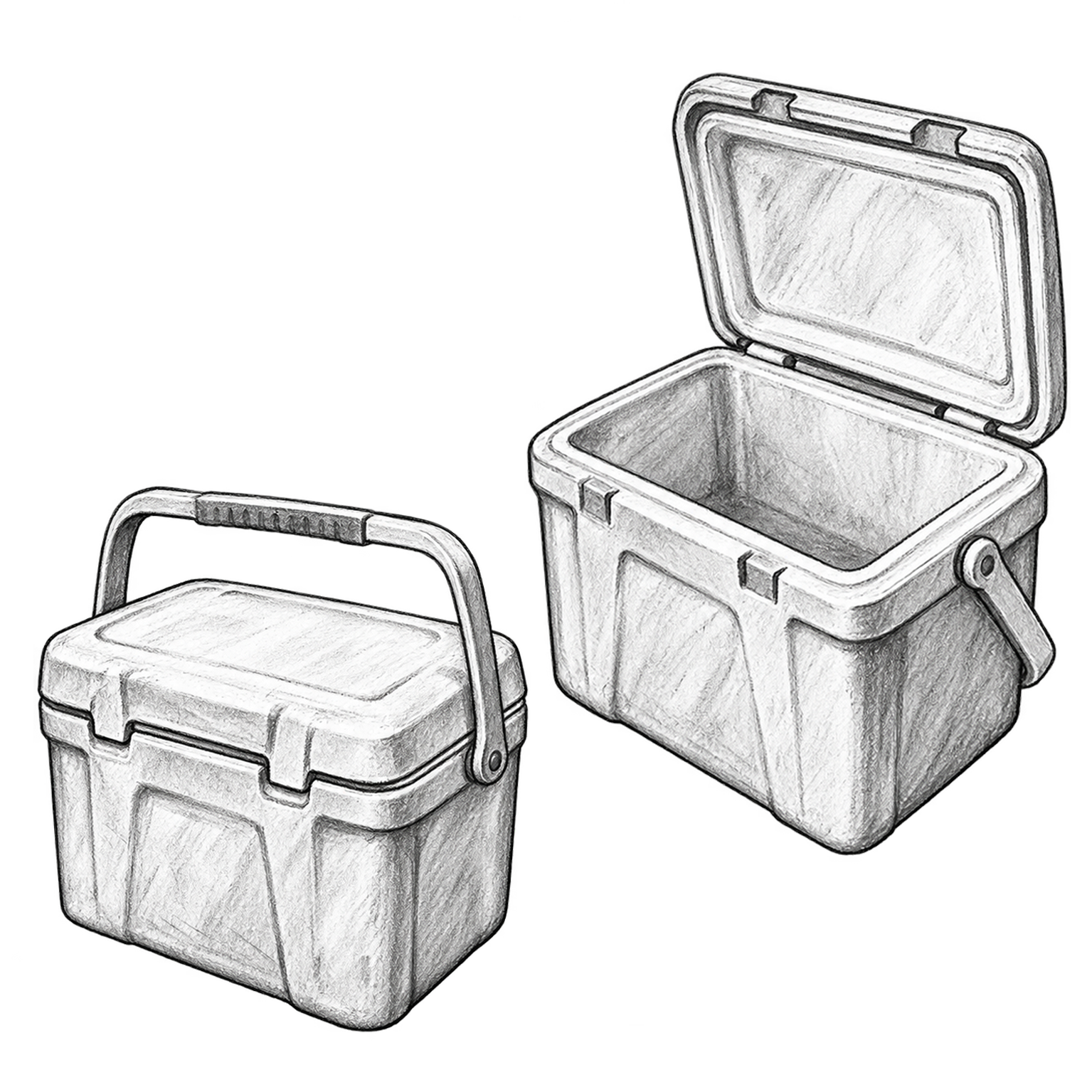
portable climate-controlled sanduku
-
ken-se-eth-con-1033-wfk
-
gifted
-
Seruya
-
used primarily by the chomachini fam secondary use by the most dedicated members of the plazanoma nation
-
???
-
contemporary outdoor-use specimen.
-
rigid plastic outer casing insulated foam interior metal hinges or latch rubber gasket (for temperature sealing)
-
height: approx. 40 cm; length: 50 cm; width: 35 cm; weight varies with contents.
-
storage wing: containers, carriers & cooling devices; cabinet: 2b – libation preservation objects; shelf: compartment 04
-
insulated portable sanduku used to preserve low temperatures around libations and food during outdoor gatherings.
it creates a small controlled climate and is repeatedly opened as supplies are distributed.
-
among chomachini and prepared plazanoma groups, control of the sanduku indicates foresight and temporary logistical authority.
the person carrying it has usually accepted responsibility for quantity, temperature and continued refreshment.
-
used at park gatherings, riversides, prolonged picnics and outdoor celebrations.
common contents include ice, courage or hydration vessels, water and foods requiring cold storage.
-
•referenced in the unpublished wafuranki field diary cold things for hot people (anonymous student, 2018), which calls the sanduku “a travelling shrine of refreshment.”
•appears in episode 5 of the satirical tv series “diaspora things” (ntv, 2020), where a visiting kenyan misinterprets the sanduku as a sign of excessive wealth, not realising it is standard outdoor equipment for the tribe.
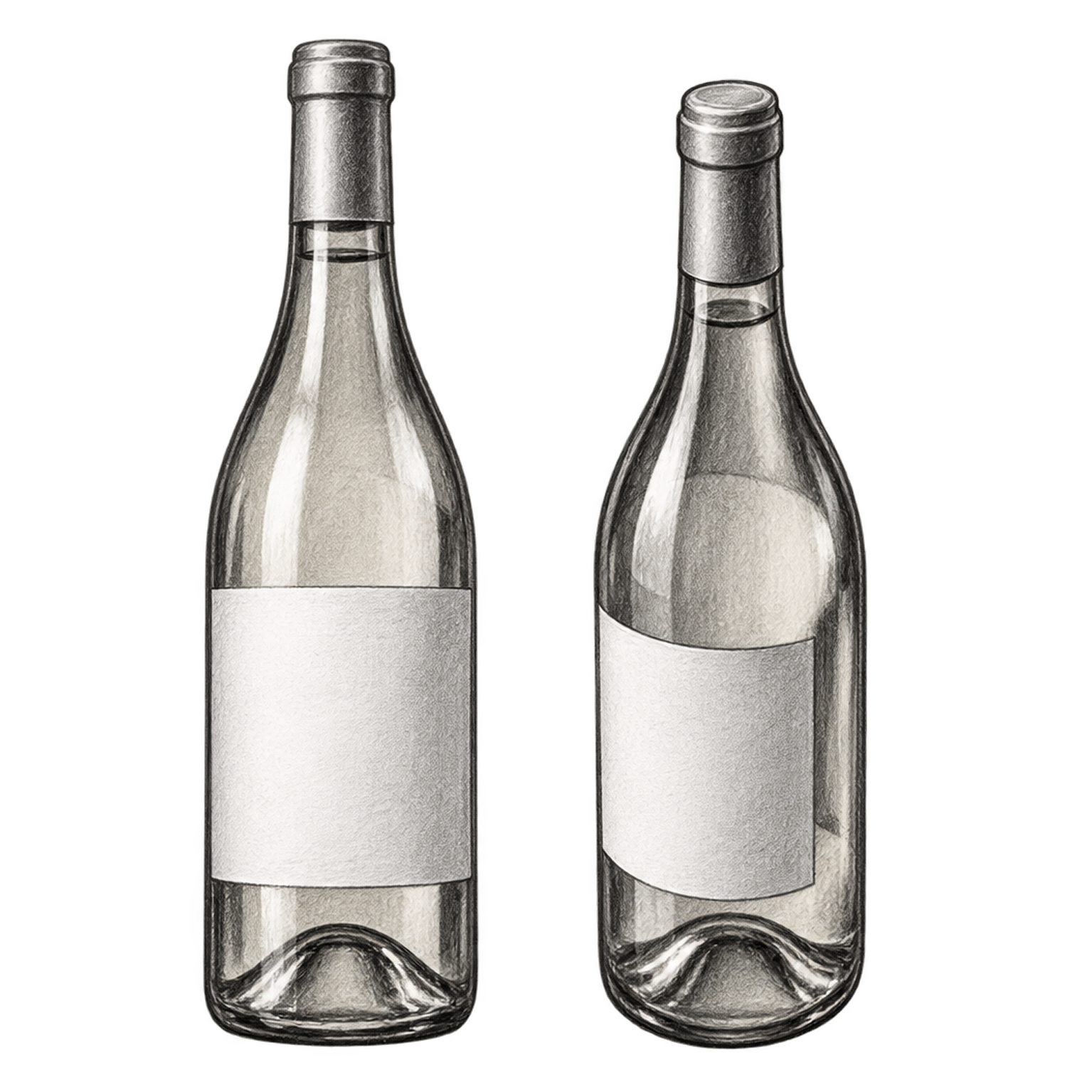
grape-based fermented courage glass vessel (clear variant, alcoholic)
-
ken-se-eth-bev-0561w-wfk
-
gifted
-
Seruya
-
primarily used by:
•the vinowatu
•occasional by:
•plazanoma nation
•chomachini fam
-
wafuranki territory; grape source varies by producer.
-
contemporary commercial specimen.
-
•glass (colour varies: clear)
•cork or twist-cap
•paper label containing tribal symbols and grape lineage
•fermented grape-based courage liquid
-
•height: approx. 32 cm
•base width: 8 cm
•capacity: 750 ml
-
storage wing: beverage & libation; cabinet: 1b – fermented courage archives; shelf: upright vessel compartment 05
-
tall glass vessel containing the clear variant of grape-based fermented courage.
opening may require a twisted cork extraction wand, after which the libation is transferred to a fermented grape consumption chalice.
the empty vessel enters the glass rebirth ritual.
-
strongly associated with the vinowatu and with claims of palate knowledge, correct temperature and grape-specific judgement.
swirl, smell and sip sequences are frequently observed; the precise expertise demonstrated by these actions varies between practitioners.
-
used in fermented-grape bars, dinners, picnics and emotional debriefs.
after consumption, the vessel is offered to the colour-appropriate chamber of a sacred outdoor cavern shrine.
-
•the photographic artpiece by photographer k. mutua (2024) records two wafuranki vinowatu examining identical glasses with visibly unequal confidence.
•referenced in diary of a wandering kenyan by j. waweru (chapter 8, 2014), where the narrator writes: “the grape-based fermented courage glass vessel was taller than my confidence, but i drank it anyway.”
•appears in vino na vibes by m.wekesa issue 3 (2019), a nairobi-based digital zine reviewing fermented grapes abroad: “the clear variant is beloved by wafuranki who worship its quantity.”

grape-based fermented hydration glass vessel (clear variant, non- alcoholic)
-
ken-se-eth-bev-0561hb-wfk
-
purchased
-
Seruya
-
primarily used by:
•the vinowatu
•occasionally used by:
•plazanoma nation
•chomachini fam
-
???
-
contemporary commercial specimen.
-
•glass (colour varies: clear)
•cork or twist-cap
•paper label containing tribal symbols and grape lineage
•fermented grape-based courage-removed liquid
-
•height: 32 cm
•width: 8 cm
•capacity: 750 ml
-
•storage wing: beverage & libation; cabinet: 1c – hydration division
•shelf: upright vessel compartment 03
-
tall glass vessel containing a 0.0% grape-based hydration libation.
it reproduces the handling and visual codes of the courage variant while allowing participation without courage-induced effects.
-
favoured by vinowatu seeking ritual participation while preserving next-day functionality.
temperature, chalice selection and, in some cases, swirl-smell-sip behaviour remain in force despite the absence of courage.
-
used during social gatherings, fermented-grape outings and picnics where clarity is preferred.
empty vessels enter the same colour-separated glass rebirth ritual as courage variants.
-
•the comic strip zero point zero problems by b. baraka (2023) follows a vinowatu who performs the full tasting ritual and then remembers there is no courage to analyse.
•mentioned in soft life abroad by manu (issue 11, 2019) as “the safest way to keep up with the tribe without confessing your life story.”
•appears in the comic strip watu wa wellness by b.baraka (2017), where a confused wafuranki attempts to “swirl for courage” before realising the grape-based fermented hydration glass vessel has none.
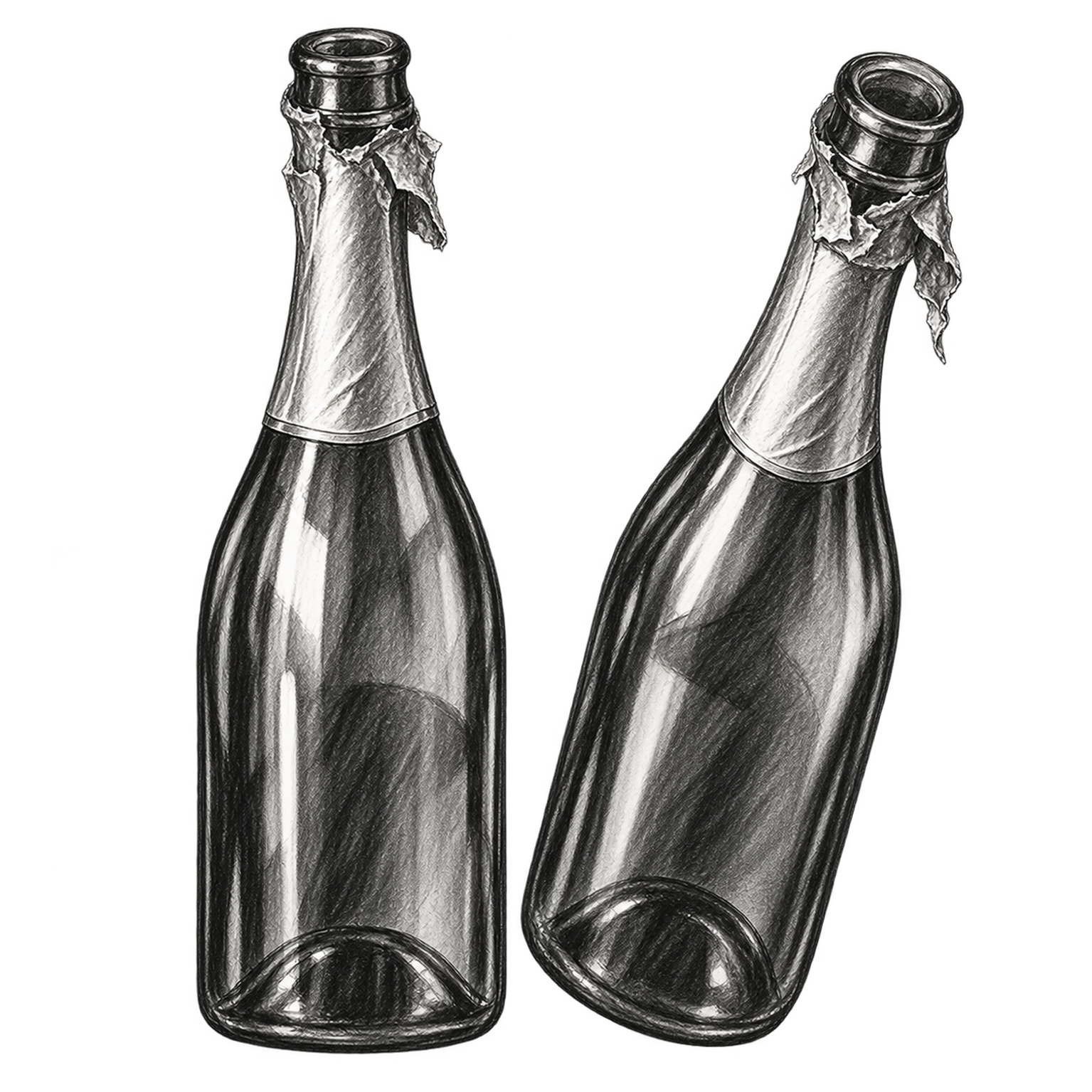
celebratory bubble-based fermented courage glass vessel (alcoholic variant)
-
ken-se-eth-bev-0677s-wfk
-
gifted
-
Seruya
-
used by:
•the vinowatu (especially during triumphant moments)
•the plazanoma nation (festive season and birthday rituals)
•the chomachini fam (rare, but documented)
-
???
-
contemporary celebratory specimen.
-
•dark green glass
•cork
•wire cage (bubble containment apparatus) securing the cork
•paper label containing clan symbols and celebration levels
•fermented grape-based courage liquid infused with internal spirited air
-
•height: approx. 33 cm
•width: 9 cm
•capacity: 750 ml
-
•storage wing: beverage & libation
•cabinet: 1b – fermented courage archives; shelf: upright vessel compartment 01
-
reinforced glass vessel containing pressurised grape-based fermented courage with celebratory bubbles.
opening requires controlled removal of the wire containment apparatus and careful release of internal pressure, producing the characteristic pop that formally announces the event.
-
associated with milestones, announcements, seasonal endings and other recognised occasions requiring amplified celebration.
management of the opening and first pour temporarily elevates the custodian’s ceremonial importance.
-
served chilled during celebratory gatherings and transferred to a celebratory bubble consumption chalice.
empty vessels enter the glass rebirth ritual through the appropriate colour chamber.
-
•documented in bubbles & belonging: a kenyan abroad’s notes (k. ndung’u, 2018): “if it pops, the night will not be quiet.”
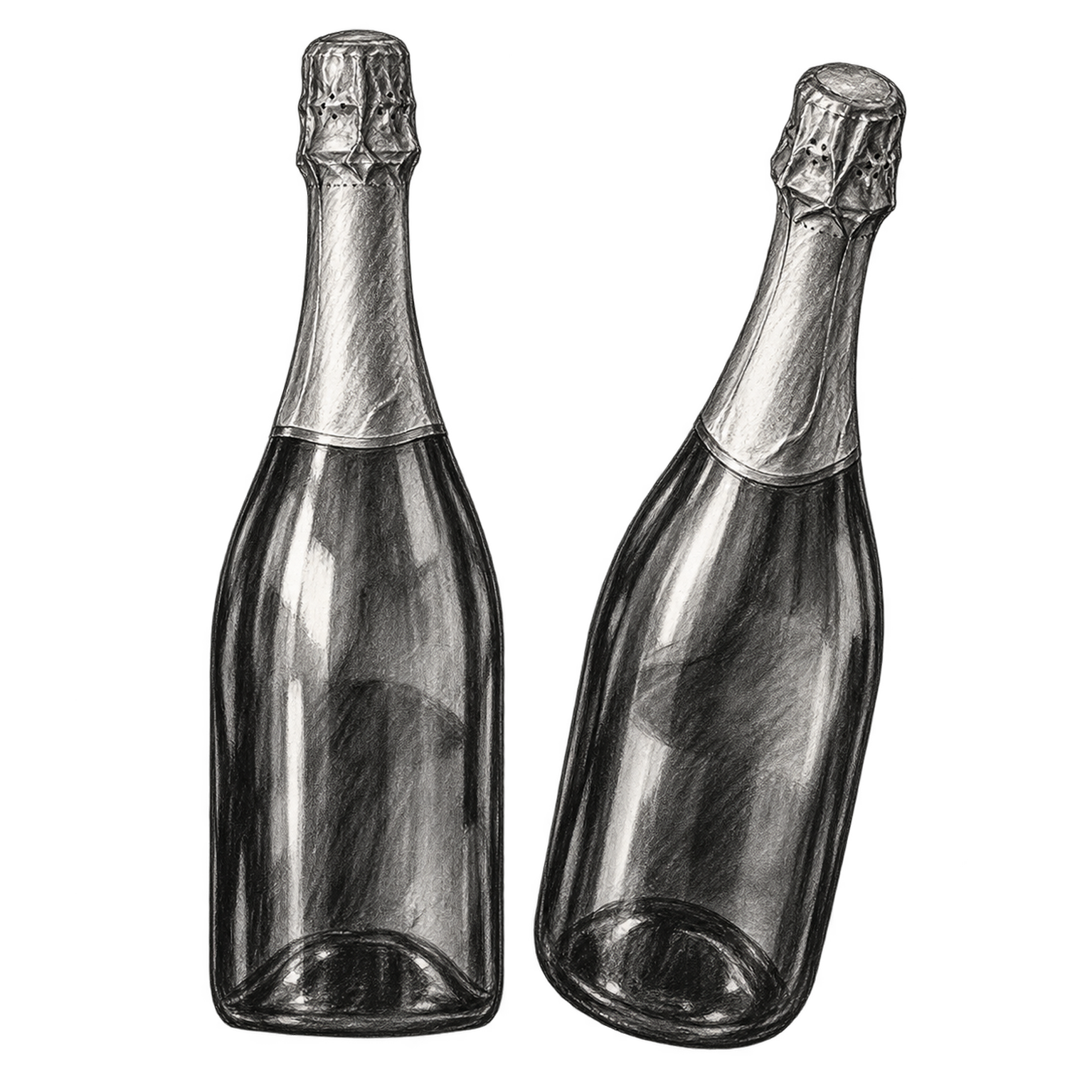
celebratory bubble-based fermented hydration glass vessel (non- alcoholic variant)
-
ken-se-eth-bev-0677sh-wfk
-
purchased
-
Seruya
-
used by:
•the vinowatu (health seasons, early mornings after)
•plazanoma nation (daytime celebrations, child-friendly blessings)
•chomachini fam (rare but observed on hot afternoons)
-
???
-
contemporary celebratory specimen.
-
•dark green glass
•cork
•wire cage (bubble containment apparatus) securing the cork
•paper label containing clan symbols and celebration levels
•fermented grape-based liquid,with courage carefully removed, infused with internal spirited air
-
•height: 33 cm
•width: 9 cm
•capacity: 750 ml
-
•storage wing: beverage & libation; cabinet: 1c – hydration division
•shelf: upright vessel compartment 02
-
pressurised glass vessel containing celebratory grape-based hydration with bubbles but no courage.
it allows full participation in the popping, pouring and toasting ritual while preserving next-day operational capacity.
-
used by responsible celebrants, early risers and wafuranki observing temporary courage-free periods.
the bottle retains the ceremonial prestige of its courage counterpart, including temperature and opening requirements.
-
observed at daytime celebrations, family gatherings, vinowatu outings and events followed by early commitments.
empty vessels enter the colour-separated glass rebirth ritual.
-
•appears in soft life?? by b.bien (issue 5, 2020): “for the wafuranki who want bubbles without confessions.”
•referenced in watoto wakubwa, by a.kibe (2018): “preferred for wafuranki celebrations with children, pets, and people on deadlines.”
•the greeting-card line sherehe bila damage by m. chege (2023) inspired by her travels to wafuranki territory features a raised 0.0% bottle and the message: “may your bubbles rise and your secrets remain yours.”
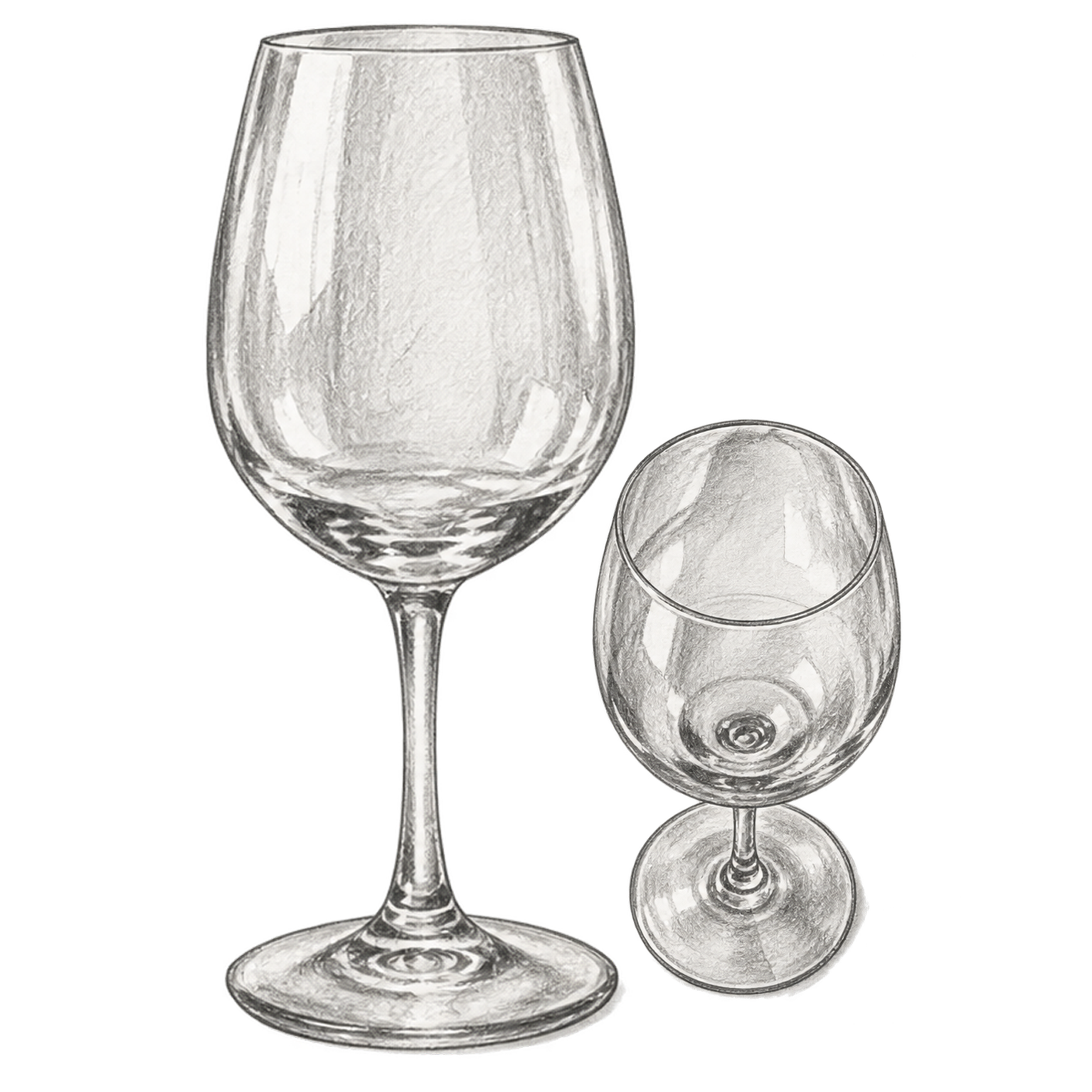
fermented grape consumption chalice
-
ken-se-eth-ves-1442fg-wfk
-
inherited
-
Seruya
-
primarily used by:
•the vinowatu
•occasionally used by:
•plazanoma nation
•chomachini fam
-
???
-
contemporary glassware specimen.
-
clear glass
-
height: 24 cm stem length: 11 cm bowl diameter: 9 cm capacity: 148–360 ml
-
storage wing: vessels & ritual implements; cabinet: 2a — chalice division; shelf: stemware compartment 02
-
long-stemmed glass chalice designed for fermented grape courage or hydration libations.
its bowl concentrates aroma while the stem reduces direct warming by the hand and encourages a recognised manner of holding the vessel.
-
among the vinowatu, correct handling signals familiarity with grape ritual.
the vessel also supports swirling, smelling and visual examination, allowing considerable cultural meaning to accumulate around a relatively fragile object.
-
used in fermented-grape bars, domestic gatherings and selected outdoor settings.
breakage produces immediate collective concern; discarded glass proceeds to the appropriate glass rebirth passage.
-
•the exhibiton essay the stem is not decorative by e. musyoka (2022) documents repeated correction of visitors who hold the chalice by its bowl.
•in the stand-up set wafuranki grapes have rules by j. njuguna (2024), the performer observes that the thinner the glass becomes, the more confidently somebody explains it.
•appears in vino na vibes by m.wekesa issue 5 (2020), a nairobi-based digital zine reviewing fermented grapes abroad: : “if the fermented grape consumption chalice is tall and the stem is long, expect opinions.”

celebratory bubble consumption chalice
-
ken-se-eth-ves-6342cb-wfk
-
exchanged
-
Seruya
-
used by:
•the vinowatu (especially during triumphant moments)
•the plazanoma nation (festive season and birthday rituals)
•the chomachini fam (rare, but documented)
-
???
-
contemporary glassware specimen.
-
clear glass
-
height: approx. 20–23 cm bowl width: 4–5 cm stem length: delicate and easily snapped
-
storage wing: vessels & ritual implements; cabinet: 2a — chalice division; shelf: stemware compartment 01
-
tall, narrow glass chalice designed for celebratory bubble-based courage or hydration libations.
its shape directs bubbles upward and limits warming through hand contact.
-
the chalice marks a libation as celebratory rather than ordinary.
wafuranki maintain that its narrow form preserves the bubbles and therefore, by extension, the duration of celebration.
-
used for toasts, milestones, seasonal gatherings and recovery celebrations.
broken specimens enter the clear-glass rebirth passage.
-
•featured in bubbles & belonging (k. ndung’u, 2018): “the celebratory bubble consumption chalice does not lie — if the bubbles rise, the mood will too.”
•referenced in the zine kwani hii sherehe? by n.njuguna (issue 3, 2020): “the celebratory bubble consumption chalice decides who is ready for celebration.”
•in the short film ‘wafuranki bubbles up’ by p. wekesa (2025), a toast is delayed because the correct chalices are still in another building.

twisted cork extraction wand
-
ken-se-eth-too-1989wn-wfk
-
purchased
-
Seruya
-
used by:
•the vinowatu (experienced practitioners)
•chomachini fam elders
•plazanoma drinkers during upscale rituals
-
???
-
contemporary hand-tool specimen.
-
•metal spiral
•steel handle
•hinged levers (in the winged variant)
-
•metal spiral
•steel handle
•hinged levers (in the winged variant)
-
storage wing: tools & ritual implements; cabinet: 2c — opening technologies; shelf: wand compartment 01
-
hand-operated metal implement used to remove cork closures from grape-based courage and hydration vessels.
a spiral enters the cork through repeated rotation before leverage or pulling releases the seal.
-
competent use carries temporary hosting authority among the vinowatu.
failed extraction, particularly cork breakage, attracts rapid communal intervention and unsolicited technical expertise.
-
activated during cork-sealed bottle openings in domestic, outdoor and celebratory settings.
disposal practices for damaged wands remain insufficiently documented.
-
•the household advice column useful hands in wafuranki territory by n. muthoni (2022) classifies guests into those who own the wand, those who can use it and those who become suddenly quiet when asked.
•appears in sherehe yao by d.duale (issue 5, 2019): “if you own the wand, you become the one everyone calls when the cork refuses vibes.”
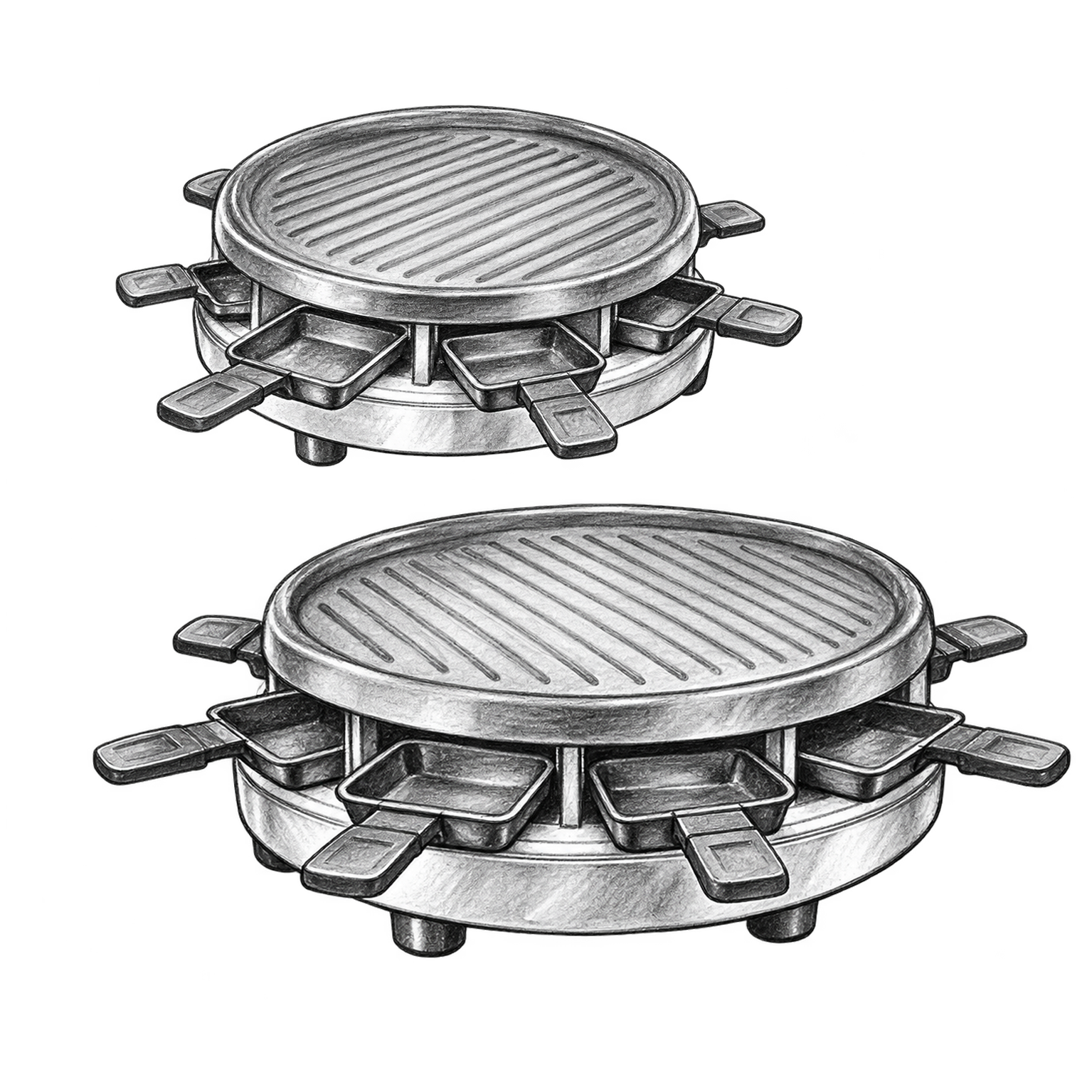
communal miniature individual-cooking unit
-
ken-se-eth-foo-1188dv-wfk
-
gifted
-
Seruya
-
used by:
•the homecircle units
•the interior festive tribes
-
???
-
contemporary electrical specimen.
-
•metal (heated cooking surfaces),
•metal/plastic (miniature pan vessels),
•electrical heating components,
•plastic/metal structural casing,
•wood/plastic (pan handles)
•associated materials during use include meat, vegetables, potatoes, cheese, bread and various sauces/condiments. exact combinations vary considerably between households.
-
•main vessel: approx. 40 cm × 25 cm
•height: approx. 12–15 cm
•miniature pan vessels: approx. 8–10 cm each
•participant capacity: 4–8 wafuranki
-
•storage wing: food & domestic consumption
•cabinet: 4c – communal cooking units
•shelf: electrically heated vessels, slot 02
-
electrically heated communal unit combining an upper cooking surface with small individual pan chambers. participants
repeatedly assemble, heat and consume miniature portions while sharing the same table.
-
central to cold-season and silvesta/zilvesta/silvester gatherings (spelling to be confirmed). hospitality is organised through distributed culinary responsibility: each guest receives ingredients, heat and a tiny pan, then cooks for themselves. remarkably, this is considered communal care.
-
used during long indoor gatherings. repeated cycles of selecting, cooking and eating extend the meal for several hours; olfactory evidence of participation may remain in the dwelling considerably longer.
-
•referenced in “winter haichezi with you: notes from a kenyan in wafuranki territory” (w. kamau, 2015), where the author describes encountering the unit at a wafuranki winter gathering: “they invited us for dinner, laid out all the food, then gave each of us a tiny pan and told us to cook it ourselves.”
•appears in the short film inside, always inside (f. mwangi, 2019), in which the protagonist attends a wafuranki silvesta/zilvesta/silvester gathering and repeatedly mistakes the completion of each miniature portion for the end of the meal.

seven-herb culinary ingredient consortium
-
ken-se-eth-foo-3307-wfk
-
purchased
-
Seruya
-
used by:
•the regional pride custodians (wafuranki zone)
•the heritage food preservation vessels
•the seasonal traditionalists
-
???
-
contemporary seasonal food specimen.
-
a regulated combination of seven culinary herbs:
•parsley
•chives
•cress
•sorrel
•borage
•chervil
-
not recorded.
-
•storage wing: food & regional identity
•cabinet: 5d – edible heritage systems
•shelf: culinary ingredient assemblies, slot 03
-
regulated consortium of seven herbs used to produce the green edible substance locally recorded as grune zose (spelling to be confirmed): parsley, chives, cress, sorrel, borage, chervil and burnet.
-
a territorial pride object presented as a culinary ingredient. the number seven is non-negotiable, while discussion of legitimate herbs and correct preparation readily activates culinary territorial defence.
-
processed into a cold green substance and commonly served with potatoes, eggs and meat during warmer periods. heating appears incompatible with the recognised tradition.
-
•on the televised cooking competition saba tu world cuisines by j. akinyi (2024), a contestant is eliminated after confidently presenting six herbs when asked to make a classic wafuranki dish.
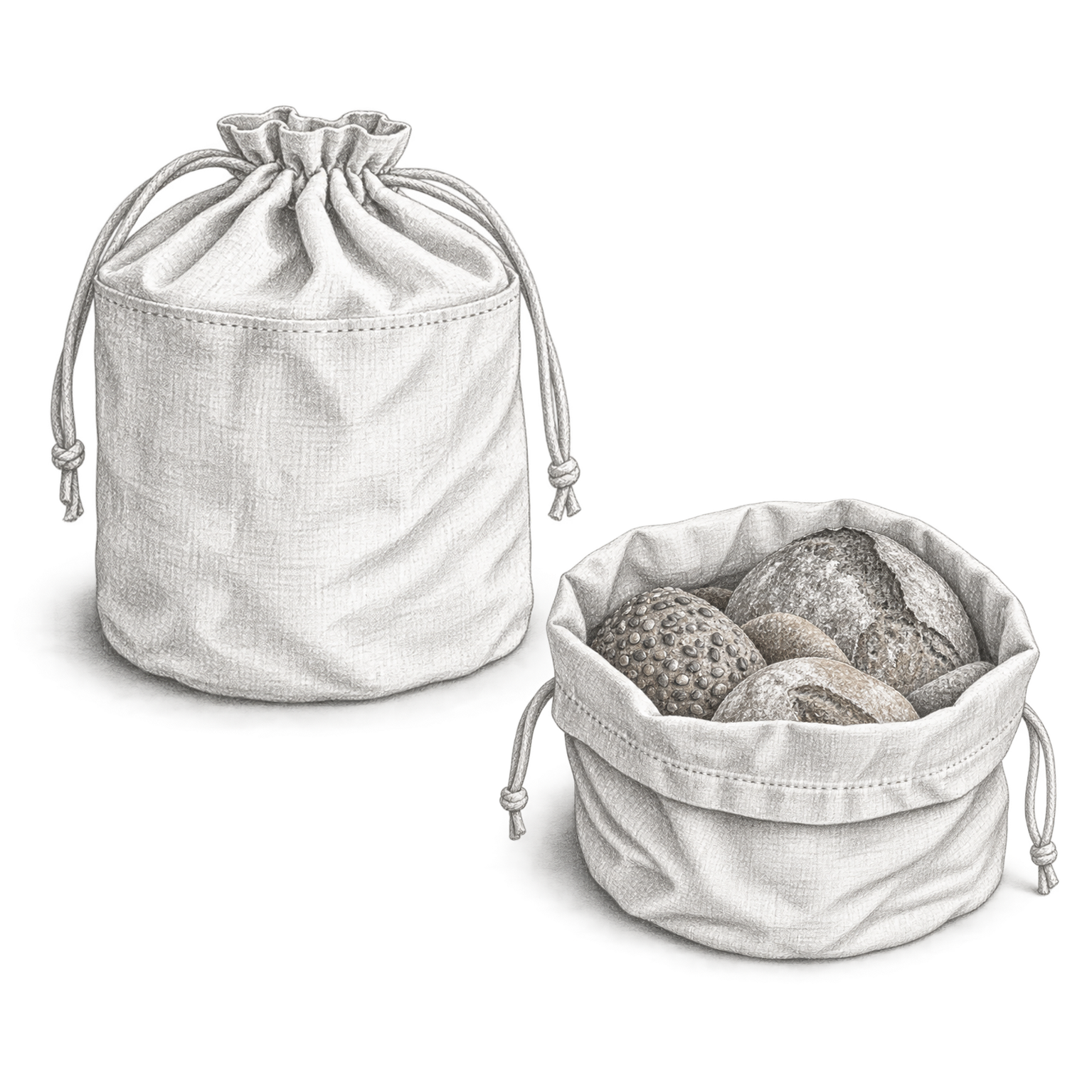
dry starch holding receptacle
-
ken-se-eth-ves-2214-wfk
-
found
-
Seruya
-
•used by all wafuranki sub-tribes who then turn into:
•the morningwatu
•the homecircle vessels
•the formal dining vessels
-
???
-
contemporary dining specimen.
-
•woven cloth plant fibres
•cloth lining (often removable; frequently patterned)
•associated material:
•dry starch vessels locally referred to as brot
-
•diameter: approx. 18–25 cm
•height: approx. 6–12 cm
•capacity: approx. 6–12 dry starch vessels depending on starch dimensions
-
•storage wing: vessels & serving implements
•cabinet: 2c – starch holding systems
•shelf: open receptacles, slot 03
-
open communal receptacle used to present and distribute dry mkate/brot forms at the table.
textile lining may be used to contain crumbs and protect the contents.
-
supports the continuous availability of brot without requiring a distinct serving moment.
participants may return repeatedly, and replenishment can occur without formal announcement.
-
common in homes, restaurants, cafés and formal dining.
functions as a central brot distribution point and is frequently refilled as required.
-
•referenced in small things that mean everything: notes from wafuranki territory (j. kariuki, 2017): “the receptacle arrives before trust is built.”
•appears in the kenyan short film dinner abroad (a. wanjiru, 2020), where a newly arrived kenyan consumes the entire communal starch supply before the main meal and spends the remainder of the evening attempting to actually eat what the locals refer to as the main meal.